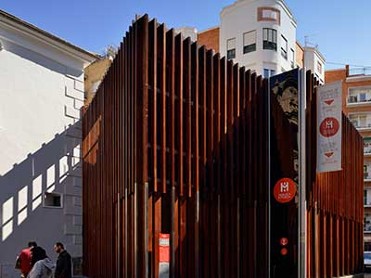
MURCIA

Pza de Santa Eulalia 10-A
30003 - MURCIA
Visitors Centre of The Wall of Murcia.
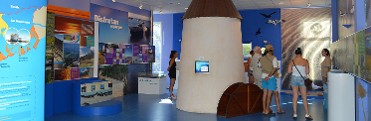
SAN PEDRO DEL PINATAR

Avda. de Las Salinas, s/n dirección puerto de San Pedro (junto a rotonda de los flamencos)
30740 - SAN PEDRO DEL PINATAR
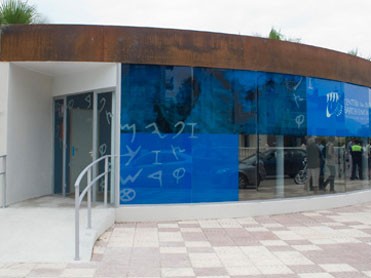
PUERTO DE MAZARRÓN (MAZARRÓN)

Avda. Tierno Galván, 6
30860 - PUERTO DE MAZARRÓN (MAZARRÓN)
Sunken across from the Playa de La Isla two Phoenician boats have been located, as the oldest found in the Mediterranean. From the boat named “Mazarrón I” only the keel, some ribs and strakes have been found. The second Phoenician boat, “Mazarrón II” is almost complete and is preserved in situ across from the Playa de La Isla. Its dimensions are 8.10 m in length and 2.25 m in width, and it still held its entire load, made up mostly of lead ingots. The anchor was also found, in the “shaft, stock and nail” type, and it is the oldest known example found in the Mediterranean to date. The Phoenician vessels on Playa de La Isla, from the 7th century B.C., give valuable information about the Phoenician naval construction techniques, of cargo and maritime commerce. The discovery of the first boat took place in 1988, and the archaeological excavations on both ships occurred between 1993 and 2000, performed by the National Center of Sub-aquatic Archaeological Research (CNIAS).
MONTEAGUDO (MURCIA)
Plaza Iglesia ,1
30160 - MONTEAGUDO (MURCIA)
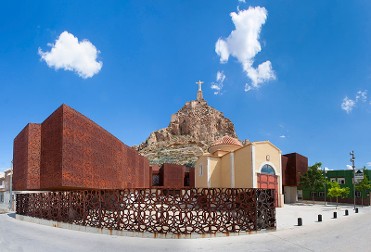
Visitors Centre of Monteagudo.
CABEZO DE LA JARA (PUERTO LUMBRERAS)
Paraje Cabezo de la Jara, s/n
CABEZO DE LA JARA (PUERTO LUMBRERAS)
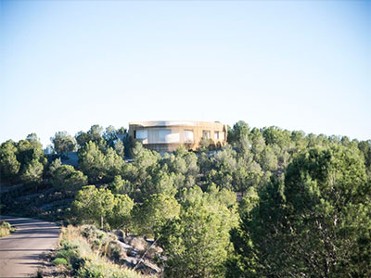
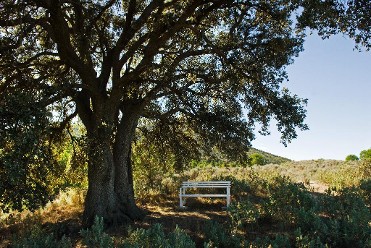
Come to know the stars and planets in the astronomical observations that are made in the Observatory of the Cabezo de la Jara. The Cabezo de la Jara is a natural site listed as SCI: Community Interest Place, located 8 km. from the urban area of Puerto Lumbreras and 1247 m. of altitude, without light pollution, which makes it an ideal place for observing the sky. Visitors will be received in the observatory's audiovisual classroom, where a talk will be given about the observation to be made and a video will be broadcast. Then an open sky observation will be made on the terrace enabled for it and finally visitors can make observations in the dome through the telescope.
PUERTO DE MAZARRÓN (MAZARRÓN)
Avda. Mar Azul. Bolnuevo
30877 - PUERTO DE MAZARRÓN (MAZARRÓN)
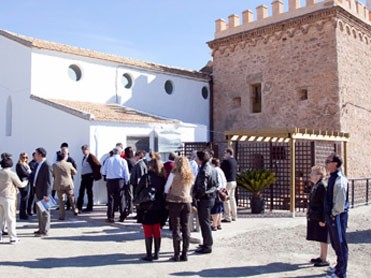
The Tower of the Horses, in Bolnuevo, was built in the 16th century, some years after the Tower of La Cumbre at Puerto de Mazarrón. It was built for the same purpose as the other tower: to control this part of the littoral zone in the event of possible Barbary pirate invasions, which were a constant concern for the settlement. Its existence ensured calm for fishing in the inlet. In later centuries, the tower went through restorations and repairs, some within the restoration program performed on coastal towers during the 18th century. In the mid-twentieth century a chapel was added, dedicated to La Purísima Concepción in commemoration of the well knowned Miracle of the Virgin, although before this chapel was erected there were already some ancient buildings attached to the tower. The Tower has been declared a Site of Cultural Interest.
MORATALLA
Ctra de San Juan, km 7. Casa de Cristo
30440 - MORATALLA
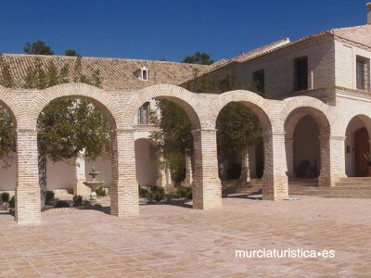
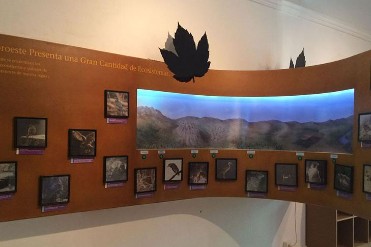
El visitante que llega al Centro de Interpretación encuentra en la planta baja una breve proyección audiovisual ubicada en la sala de recepción. En la planta superior, y de acuerdo con al configuración arquitectónica del claustro, se desarrolla el programa museográfico hasta concluir en el Archivo de Arte Rupestre en el que se pueden encontrar material explicativo del proceso de declaración por la UNESCO como Patrimonio de la Humanidad, diferentes módulos con explicaciones, juegos, fotografías, pantallas táctiles,... Edificio: Ermita situada a 6 km del casco urbano de Moratalla, construida en el siglo XVII en estilo barroco popular, con importantes transformaciones en la centuria siguiente, durante la cual se amplió su única nave y desapareció la primitiva cubierta mudéjar, consiguiéndose en cambio un mayor movimiento en el muro, mediante cornisas, y pilastras adosadas. Su cubierta es a base de bóveda de medio cañón, con coro alto situado a los pies. El presbiterio se cubre por bóveda de cuarto de esfera con gallones, rematada en el centro por florón de yesería. Tras ella se abre un gran arco de medio punto que permite una mayor altura de la nave, donde se alberga un gran templete de madera en el que se ubica la imagen de Cristo Aparecido, titular del templo y patrón de Moratalla. El propio altar-retablo hace las veces de camarín. Originariamente la ermita formó parte del Convento Mercedario desamortizado en el siglo XIX, del que quedan adosados a ella parte de los arcos de su claustro, fabricados en ladrillo visto, los cuales aportan la "imagen" del lugar. El templo ha sido rehabilitado por la Escuela Taller de Moratalla y con las colaboraciones de diversas instituciones. El conjunto arquitectónico en que se inserta la ermita cuenta con cuatro zonas diferenciadas: la iglesia y sacristía, zona expositiva donde se ubica el Centro Regional de Interpretación del Arte Rupestre, zona de albergue y gastronomía y zonas comunes y patios donde se pueden apreciar los emblemáticos arcos del viejo claustro. Acceso Por la autovía del Noroeste, salida 57 dirección a Moratalla. A la entrada de la localidad dirección Campo de San Juan hasta el indicador "Casa de Cristo".
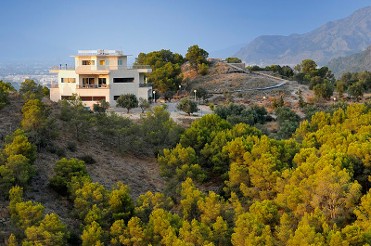
SANTO ANGEL (MURCIA)
Carretera de El Valle (junto al Eremitorio de La Luz)
30151 - SANTO ANGEL (MURCIA)
Visitors Centre "La Luz"
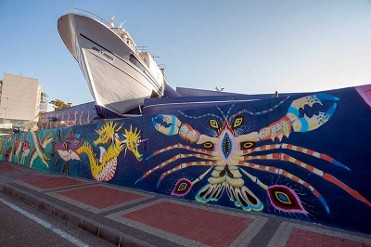
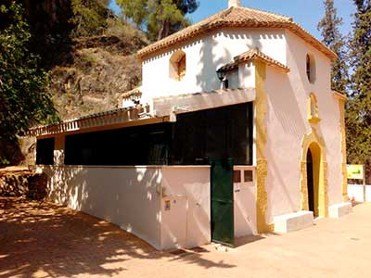
SANTO ANGEL (MURCIA)
Camino. San Antonio el Pobre, 5
30151 - SANTO ANGEL (MURCIA)
Visitors Centre “San Antonio el Pobre”.
LORCA

C/ Puerta de San Ginés, s/n
30800 - LORCA
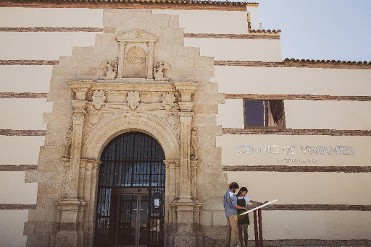
The Visitor Center of Lorca is located in the former Convent of La Merced of S. XVI. On its ground floor it hosts an exhibition about the history of Lorca. It also contains two very enjoyable audiovisuals about the municipality and Easter. You will also find a souvenir shop. It is the ideal place to start your visit to Lorca. It is ideal for groups, has a subsidized blue zone parking (ask at reception) and special parking for tourist buses.
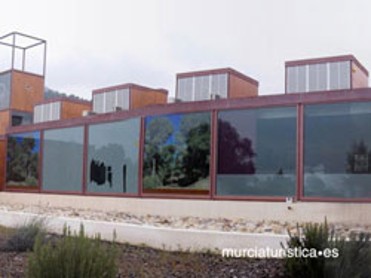
ALBERCA DE LAS TORRES (MURCIA)
Carretera de El Valle, s/n
30150 - ALBERCA DE LAS TORRES (MURCIA)
Visitors Centre "El Valle"
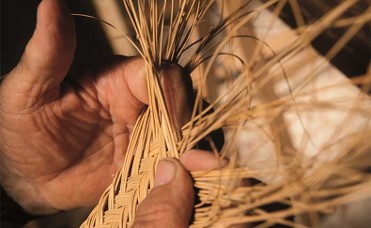
ÁGUILAS
C/ Molino
30880 - ÁGUILAS
A new museum opened in Águilas during December 2019 focusing on the importance of esparto grass growing and weaving in the economy of the town in the past, occupying part of the interior of the Molino de Sagrera windmill which looks out over the bay from the hill in the old town centre.
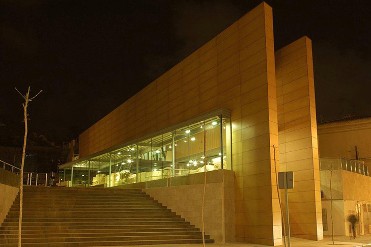
CARTAGENA
C/ San Diego, 25
30202 - CARTAGENA
In the Punic Wall you will encounter one of the most important episodes in the history of the Mediterranean, the Punic Wars between the Carthaginians and the Romans. You will meet the legendary past of Qart Hadast founded by general Hasdrubal in 229 BC and its most significant, the wall, one of the few remaining Carthaginian relics still found in Spain. In addition, next to the wall, you can see the funerary crypt of the hermitage of San José built in the 16th and 17th centuries, its walls offer a very macabre representation of the Dances of Death
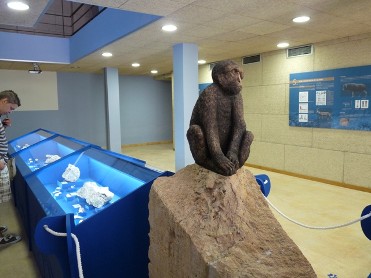
ABANILLA
Calle Pío XII (auditorio municipal)
30640 - ABANILLA
El Centro de Interpretación Paleontológico Sierra de Quibas fue inaugurado el 26 se junio de 2009, está emplazado en el hall del Auditorio Municipal de Abanilla y se trata de una exposición permanente dónde se da a conocer la historia del yacimiento (situado en la Sierra de Quibas), su contexto geológico, la estructura del proyecto científico y el equipo que llevó a cabo las primeras excavaciones, así como la presentación de las especies de mamíferos más significativas identificadas. El yacimiento ha proporcionado fósiles de más de 60 especies distintas entre vertebrados e invertebrados, algunas de ellas con un registro fósil muy completo y abundante. De esta forma, Quibas se convierte en una referencia en el panorama europeo por la cantidad de restos de macacos hallados y fósiles de praeovibos (antepasado del buey). La mayoría de restos identificados corresponden a animales poco conocidos que habitaron el sureste peninsular al inicio del Pleistoceno, hace aproximadamente 1.3 millones de años.
CARTAGENA
Faro de Navidad
30202 - CARTAGENA
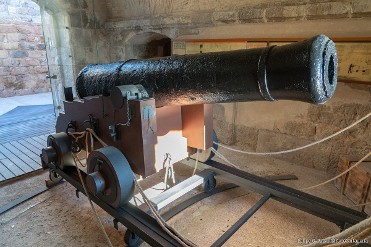
. By visititng the Christmas Fort you will learn in detail the defensive system of Cartagena throughout history. Enrol like a cabin boy on our Tourist Boat, and you will be able to enter the only coastal battery adapted to show military and everyday life in a 19th century fortress. Nestled in the right margin of the bay and next to the lighthouse of the same name, the Christmas Fort keeps witness of the political, social and military conflicts of the pas centuries. Examine the bunkers, learn how to handle a canon and discover the diet and the life of the gunners. Finish your visit enjoying the magnificent views from the terrace and relaxing on the return journey aboard the Tourist Boat.
ALEDO
Plaza del Castillo, s/n
30859 - ALEDO
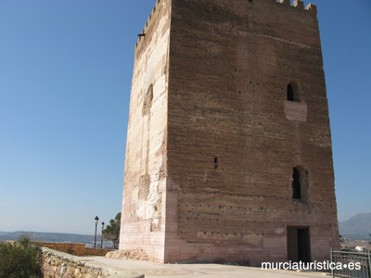
The main tower opened its doors to the public in 2008 after being restored and it was built in a way as to serve for the purpose of an interpretation center. The cistern on the lower floor has been put to use as a reception and screening room. The first floor contains various explanation points whose content focuses on the historical medieval context of Aledo, most notably the understanding and recreation of its defensive system and the influence of the Santiago Order around the village. On the upper floor you will find installations of modules with explanations attached. The modules pan around the urban layout of the village and display the Sanguista’s defensive strength during the 15th and 16th centuries; it also displays the main tower and accompanying it a description of the building, its constructive techniques and its armaments. In this spot you will be able to contemplate a series of graffiti throughout the ages that depict jockey riders, boats and beads, etc. These sets of representations are until now the most documented of its kind in military history surrounding the region.
ALHAMA DE MURCIA
Parque Regional de Sierra Espuña
30840 - ALHAMA DE MURCIA
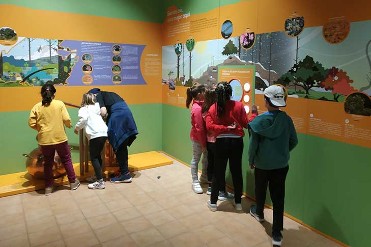
Through the Exhibition Room, visitors can identify panels, scale models, interactive elements, the protected natural values, especially fauna, vegetation, erosive phenomena, the actions of hydrological and forest restoration in the late 19th and early 20th centuries, as well as information about cultural values of the protected natural area. Protected Natural Areas of the Region can be observed through photographs and maps. There is also a view of the geological history and landscape modeling through illustrations. The vegetation of our region can be seen through interactive scale models, exhibition panels, photographs, and technical data sheets. Nests, display cases with remains, signs and trails, sounds, photographs, all of them reveal us the fauna. Knowledge of environmental communities and the diversity of ecosystems is available on screens. Sometimes the Visitors Center has temporary exhibitions, special events or workshops that are available on the website http://www.murcianatural.carm.es/web/guest/196
BLANCA
Cerrado temporalmente
Avenida del Río Segura, s/n
30540 - BLANCA
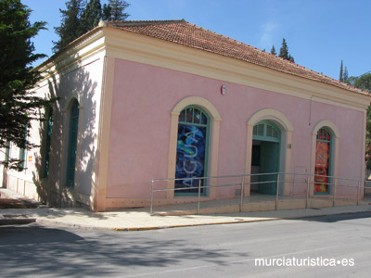
This centre is located on the banks of the Segura river, taking advantage of the old hydroelectric factory, the building that for 25 years has been the driving force behind the development of the town of Blanca, known as "La fábrica de la luz" (The factory of light). Its aim is to show the historical process to get the most out of water. The hydraulic inventions shown in this centre are related to the geography of Blanca. The idea of this exhibition space is to show visitors the historical origins of these inventions, to motivate them to reflect on the different uses of water and how they can vary in different cultures. A very significant space in this centre is occupied by a recreation of the Segura river in Blanca, and all the possible uses of water in it: the waterwheels, the public washing place, the electric lifts for irrigation or consumption and this "Light Factory".
CARAVACA DE LA CRUZ
Paraje Fuentes del Marqués. Torreón de los Templarios.
30400 - CARAVACA DE LA CRUZ
BEAL (CARTAGENA)
Mina Las Matildes
BEAL (CARTAGENA)
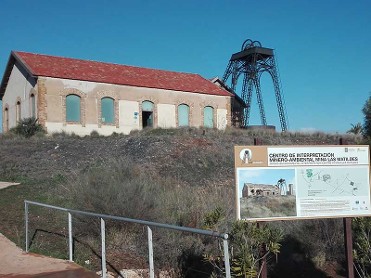
The Las Matildes Mine Interpretation Centre is a pioneering space in the Region of Murcia, taking an important step towards the recovery and enhancement of the cultural and natural heritage of the Sierra Minera de Cartagena-La Unión. It is conceived as a site museum in which visitors can approach in a didactic and entertaining way, the traces that more than 2000 years of mining history have left in the landscape, heritage and environment of the Sierra Minera, and in which they can discover in particular the uniqueness and interest of the mines of the Beal area that were dedicated to the drainage of the mining basin. In this way, the ultimate aim of the centre is to highlight and raise awareness of the mining identity of the Sierra Minera de La Unión-Cartagena and its valuable industrial heritage. The visits to the centre, which are aimed at the general public, are led by the guides in charge of the centre, and the aim is to make the Las Matildes Mine a living centre in which the cultural component is not at odds with fun and entertainment. Mina Las Matildes also offers its visitors an ecotourism and cultural tourism service, with a wide range of itineraries and guided tours, with routes by vehicle or on foot, which allow visitors to discover surprising landscapes, with impossibly coloured earthworks, large mining cuts, and multiple elements of industrial archaeology (derricks, chimneys, ovens, washhouses, etc.) together with areas of great environmental interest with a wide variety of flora and fauna.
CABEZO DE LA JARA (PUERTO LUMBRERAS)
Paraje Cabezo de la Jara, s/n
CABEZO DE LA JARA (PUERTO LUMBRERAS)
ÁGUILAS
Casa de la Cultura. Pza. Asunción Balaguer
30880 - ÁGUILAS
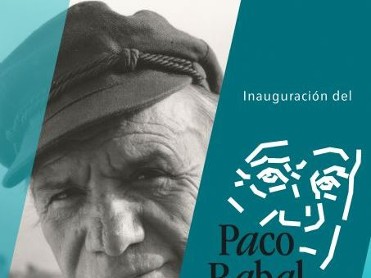
Centre dedicated to international actor born in Águilas Paco Rabal. Winner of awards at the International festivals of Cannes & San Sebastián. Located on the first floor.
CALASPARRA
Santuario Virgen de la Esperanza s/n (junto entrada de los arcos del Santuario)
30420 - CALASPARRA
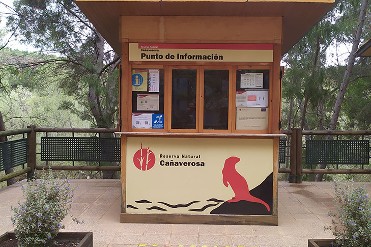
El Punto de Información de Cañaverosa ofrece una primera toma de contacto con los valores naturales, culturales e históricos de la Reserva Natural de Cañaverosa. Su principal objetivo es que los visitantes comprendan la importancia de la conservación del entorno natural en el que se encuentran y mostrar las diferentes opciones que tienen a su alcance para disfrutar al máximo de este inigualable Espacio Natural Protegido. SERVICIOS • Punto de Información. Se ofrece información relativa a la flora, fauna, geología del entorno, valores culturales e históricos, itinerarios, así como otros puntos de interés para el visitante. • Celebración de actividades especiales. Con motivo del Día Mundial de los Humedales o el Día Internacional de los Bosques se ofrecen itinerarios guiados, talleres y otras actividades adaptadas a todo tipo de públicos. Además, trimestralmente también se ofertan actividades para público general dentro de la Mochila de actividades de los espacios protegidos. • Servicio de préstamo de prismáticos, fondos bibliográficos y otro material divulgativo.