

Sports
Puerto de Mazarrón (Mazarrón)
Llega a Puerto de Mazarrón una cita imprescindible para los amantes del running y la montaña. Disfruta de un entorno natural único mientras pones a prueba tu resistencia en esta primera edición. Detalles del evento: Salida y Meta: Urbanización Buenavista Distancia: 15 km Modalidades: Carrera Absoluta y Senderista Recorrido: Sendero Azul PR-MU 137 Alamillo – La Alameda – Balsicas Inscripciones: Alcanzatumeta.es Organizado por la Federación de Atletismo de la Región de Murcia (FAMU) en colaboración con el Ayuntamiento de Mazarrón. ¡No te quedes sin tu dorsal!
Holiday accommodation
Isla Plana (Cartagena)
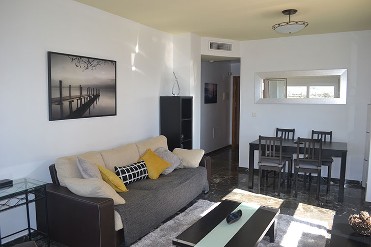
Apartamento junto a la playa con espectaculares vistas al mar y a la montaña desde todas las estancias. Este fabuloso apartamento, de generosas dimensiones y ubicado en la tercera planta, cuenta con una impresionante terraza donde podrá contemplar la puesta de sol sobre la bahía de Mazarrón. La magnífica piscina y el jardín están bien cuidados y son de uso exclusivo de los huéspedes.


Holiday accommodation
La Manga del Mar Menor
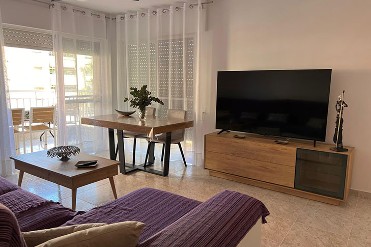
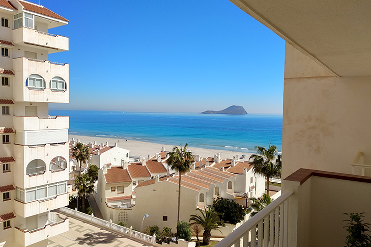
Piso de 2 habitaciones y un cuarto de baño con piscina comunitaria doble, wifi y aparcamiento privado subterráneo incluidos. Ubicado en el km9 y con terrazas a ambos mares. Su orientación Sur - Norte y una quinta planta lo convierte en un piso muy fresco para el verano gracias a la ventilación cruzada y ausencia de sol directo en verano. Ambas playas a escasos 50 metros, Bares, restaurantes, supermercados, centro de buceo, pistas de pádel y actividades acuáticas a menos de 100 metros. Alojamiento premiado por Booking.com durante 2 años consecutivos como alojamiento estrella en cuanto a valoración por los clientes.

Hotels
Murcia
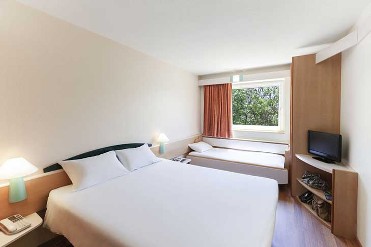
Le damos la bienvenida a Ibis Murcia donde esperamos que pueda disfrutar de una estancia agradable tanto en sus viajes de ocio como de negocio.Ibis hotel en Murcia está situado a 800m del casco histórico de la ciudad y a 3km del Palacio de Congresos y del Parque de Exposiciones. Todas las habitaciones están totalmente equipadas con aire acondicionado, calefacción, televisión y Wifi para ofrecerte el mayor confort. Dispone de servicio de restaurante, snack/bar 24h y parking cubierto, siempre al mejor precio. Sin duda, el mejor establecimiento hotelero low cost en Murcia tanto para viajes de negocios como para aquellos de placer y ocio.

Monuments
Águilas
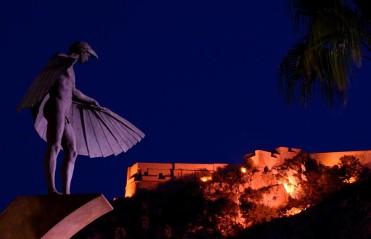
Work of the Murcian sculptor González Beltrán. It is a tribute of the population to the Carnival, declared of International Tourist Interest in 2015. Inspired by the mitological character of Icarus.


Fairgrounds
Torre Pacheco
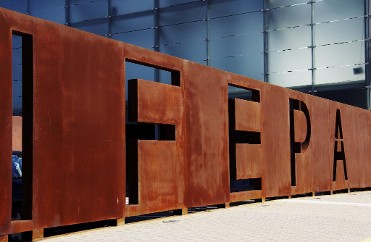
IFEPA, with more than three decades of activity, is currently one of the most important commercial meeting points in southeast Spain. The progressive incorporation of new fairs, shows and exhibitions has turned IFEPA into an unavoidable meeting place for the commercial, agricultural and industrial activity carried out in Murcia. Its location, in the centre of the region, halfway between Murcia and Cartagena, next to the airport of Corvera and in the heart of the area of influence of the tourist municipalities of the Mar Menor, in the area of maximum demographic concentration, ensures a high number of visitors to all its events. The Fair Institution Villa de Torre Pacheco, in collaboration with different entities, associations and organizations, carries out every year a series of consolidated events at national level, in different sectors, in addition to the social, sports and cultural events that the site usually hosts.
Monuments
Colonia Julio Ruiz de Alda (San Javier)
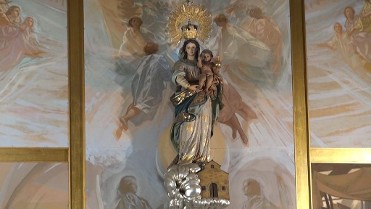
Church built in the 1970's with the aim of creating a military place of worship for all those workers and their families belonging to the ACADEMIA GENERAL DEL AIRE (AGA). The Virgin of Loreto or Our lady of Loreto is a Catholic Marian devotion, with her feast day celebrated on December 10th. She is the patroness of the Sapnish Air Force and aviation.
Monuments
Murcia
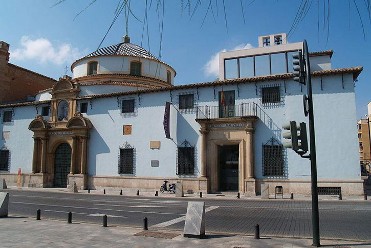
De planta octogonal, fue levantada hacia 1670 y concluida en los años finales del siglo XVII como iglesia propia de la Cofradía de Jesús. Es, sin duda alguna, el escenario de la escultura, un verdadero teatro pensado para mostrar los misterios de la pasión. Salzillo realizó para el recinto los famosos pasos procesionales de la mañana de Viernes Santo, logrando un escenario armónico entre arquitectura y escultura. En las tribunas se conservan todavía originales, las pinturas de Pablo Sístori, de 1792.
Monuments
Yecla
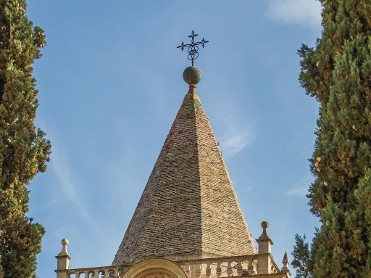
Esta iglesia se empezó a construir en el 1512, finalizándose cuarenta años después. De planta rectangular con unas dimensiones de 40 m de longitud por 14,5 de anchura. Consta de una sola nave de estilo gótico con bóveda de crucería y capillas laterales entre los contrafuertes. El trazado gótico de la nave se divide en cinco tramos y el sexto tramo es remacentista de forma poligonal, en cuya parte superior se encuentra el retablo mayor perdido en la primera mitad del siglo XVII.
Monuments
Caravaca de La Cruz
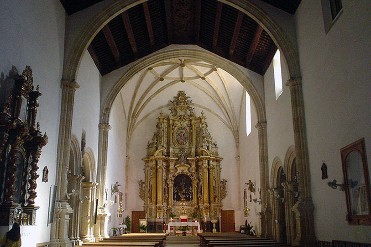
Its construction started in 1532 on the former church Cofradía Hospitalitaria San Juán de Letrán. It is a Renaissance building of unique beauty. Its semi-circular arches and pillars, which lead to the chapels which make the transept, account for the artistic innovations carried out. All of this due to the influence of El Salvador's work created in the same years. In its interior stands out the magnificent Mudejar coffered ceiling made of polychromatic wood from the 16th century. It has joined rafters that hold the semi-circular transverse arches. The main chapel, or "Capilla Mayor" made of masonry, is covered with a ribbed vault. And finally the Baroque altar from the 18th century with a statue of the Purísima Concepción by Francisco Fernández Caro, Salzillo's disciple. Likewise it is important to mention the so-called "Torre de los Pastores". This tower has four modules: three of them made of masonry and one of them made of solid bricks. The tower had a double mission; to inform a possible risk of incursion from its watchtower to the new castle nearby, and to work as a reference point for the shepherds of the area, therefore its name.