
Hotels
Calabardina (Águilas)
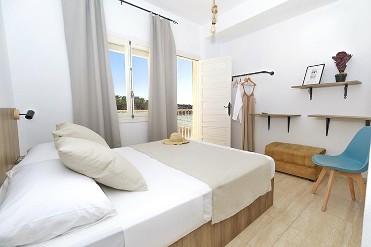
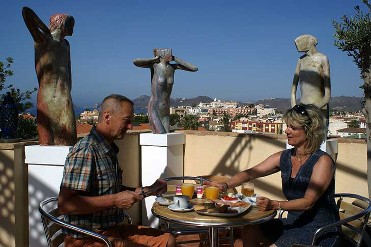
Hotel Mayarí has been decorated with a special look on peculiarities of design. Our individual style is an interesting mixture of classical and modern styles ¿ it combines art with culture. Authenticity and tradition are the characterizing elements of our house. A sheltered and familiar atmosphere as well as the typical easy going and relaxed social manners of south Spain will make you feel very confortable. Our Cafeteria has a balcony with a spectacular view to the Mediterranean sea and the sunsets of the south. The hotel is approximately 5 minutes walk from the Calabardina beach; a little further, although still within walking distance, are other lesser known beaches. There is also a variety of leisure pursuits available, both in the immediate vicinity and nearby; for example: excursions, different kinds of sport, a shopping centre, multiscreen cinema, SPA wellness centre.



Holiday accommodation
Sucina (Murcia)
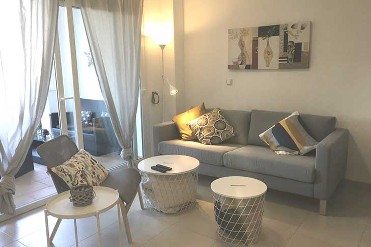
Se distribuye en salón-comedor, dos dormitorios, cocina, cuarto de baño, (Apartamento 67 m².) zona de jardín que ocupa 17,90 m², y una terraza de 15,60 m². Plaza de garaje. Aire acondicionado en Salón y dormitorios, Wifi, Calefacción Gas, TV Internacional (Satélite), Ropa de cama, Toallas, Cocina totalmente equipada (Frigorífico, Horno, Placa Vitro cerámica, Microondas, Plancha, Lavadora, Tabla de la Plancha, Cafetera, Hervidor Agua, Utensilios de Cocina (Platos, Sartenes, Cubiertos, etc...) Secador de Pelo. Amueblado con un alto nivel, con una gran cocina totalmente equipada y un comedor amplio salón de planta abierta que conduce a un porche y jardín privado que atrapa el sol todo el día hasta la tarde, con impresionantes vistas al campo de golf y lagos. Dos dormitorios de buen tamaño con A / C y vistas a la montaña.. El apartamento es ideal para familias y golfistas, Urbanización: Destino vacacional Hacienda Riquelme se basa en torno a una casa solariega histórica cargada de historia que ahora se ha actualizado y reformado en una fabulosa casa club, restaurante y bar. Las instalaciones del complejo están inmaculadas y la arquitectura tradicional de los apartamentos y espacios abiertos hacen de este un gran complejo para relajarse. Hacienda Riquelme Golf Resort tiene una amplia variedad de instalaciones deportivas al aire libre disponibles. Aparte del campo de golf Nicklaus Design, el complejo cuenta con 19 piscinas comunitarias, varias áreas infantiles áreas y zona deportiva con tenis, pádel, canchas de baloncesto , fútbol y gimnasio al aire libre. El complejo es ideal para disfrutar de un paseo a pie o en bicicleta por y para admirar las flores silvestres, olivos y naranjos, grandes lagos y paisajes locales. El apartamento tiene una ubicación ideal con vistas a la piscina y a sólo 10 minutos a pie del complejo de ocio, bar, restaurante y tienda. Amueblado con un alto nivel, con una gran cocina totalmente equipada y un / comedor amplio salón de planta abierta que conduce a un porche y jardín privado que atrapa el sol todo el día hasta la tarde, con impresionantes vistas al campo de golf y lagos. Dos dormitorios de buen tamaño con A / C y vistas a la montaña, sala principal con sofá cama. El apartamento es ideal para familias y golfistas,. Destino vacacional Hacienda Riquelme se basa en torno a una casa solariega histórica cargada de historia que ahora se ha actualizado y reformado en una fabulosa casa club, restaurante y bar. Las instalaciones del complejo están inmaculadas y la arquitectura tradicional de los apartamentos y espacios abiertos hacen de este un gran complejo para relajarse. Situación: A 20 Km de las Playas del Mar menor por autovía. A 12 Km Estación de trenes en Balsicas A 25 Km del Aeropuerto Int. de Corvera (Murcia) A 80 Km del Aeropuerto Int.de Alicante A 30 Km de Murcia. y 45 Km de Cartagena
Tourist offices
Puerto de Mazarrón (Mazarrón)
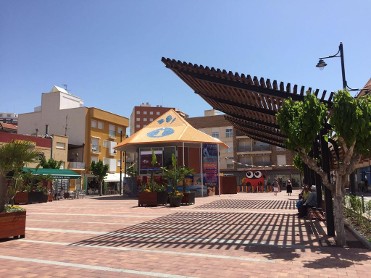
Información turística local y regional. INVIERNO: Horario ininterrumpido de lunes a viernes de 8h a 21h. Sábados: de 9h a 14h y de 17h a 20h. Domingos: de 9h a 14h. (De Septiembre a Junio) Festivos: de 10h a 13h y de 17h a 20h. VERANO: Horario ininterrumpido de lunes a viernes de 8h a 21h. Sábados y domingos: de 10h a 14h y de 17h a 21h. (Sólo Julio y Agosto) Festivos: de 10h a 13h y de 17h a 20h.

Monuments
Mazarrón
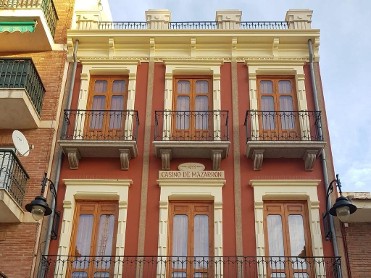
This eclectically styled, beautiful building is of great architectural and environmental interest, although there is little information on it. The exact date of its construction and the architect who designed it are unknown, although it has been estimated that it must have been built in the last decades of the 19th century. Some doubts exist as to whether it was built as a home or as a recreational facility (the casino). In the interior, a peculiar spiral staircase can be attributed to the Eiffel school, made of cast iron with very pronounced slope, intelligently designed but quite uncomfortable for everyday use. It is the only connection between the building’s floors.

Marinas
Puerto de Mazarrón (Mazarrón)
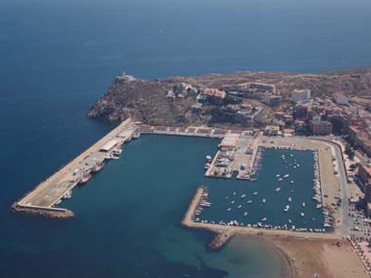
The port occupies the western end of the bay and consists of a small inlet in the form of a shell bounded to the S by Cabezo del Puerto and to the N by Punta del Rigüete. It is located 200 m from the seafront promenade opposite Mazarrón beach.
Marinas
Puerto de Mazarrón (Mazarrón)
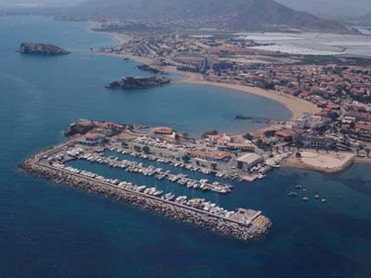
Located in the municipality of Mazarrón, 17.3 miles from the Águilas marina, 0.7 miles from the Port of Mazarrón and 15.8 miles from the port of Cartagena. The marina lies in the eastern part of el Cabezo de la Reya, from which juts an inverted L-shaped breakwater ending in a hammerhead; a 143m coastal pier, parallel to the main quay, protects the marina interior. At the NE end of the quay is a dry-dock ramp.

Holiday accommodation
La Manga del Mar Menor
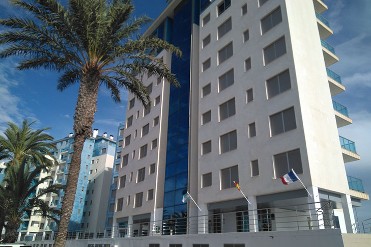
Apartamento de dos dormitorios en primera línea de mar de La Manga del Mar Menor, con vistas a los dos mares desde la vivienda. Dos baños, aire acondicionado por conductos, wifi gratis, piscina infiniti comunitaria.Totalmente amueblado y equipado con electrodomésticos, menaje y utensilios de cocina. Hay plaza de aparcamiento disponible.

Natural areas
Águilas
Cartagena
Mazarrón
San Javier
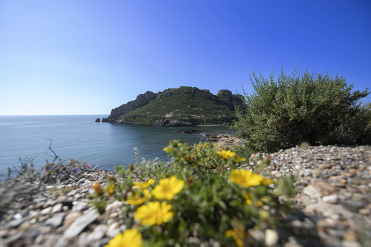
The island, islets and rocky reefs are distributed along our coastline. Isla del Fraile in Águilas, in spite of its small surface and fragmentation, has unique natural values.