
Exhibitions / religioso
Cehegín
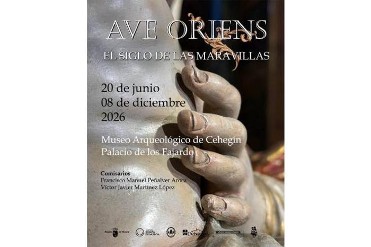
En el Museo Arqueológico de Cehegín (Palacio de los Fajardo) se ha inaugurado la exposición AVE ORIENS. El Siglo de las Maravillas, uno de los grandes acontecimientos culturales, patrimoniales y espirituales del Año Jubilar de Cehegín 2025-2026. Una muestra única que permitirá recorrer siglos de historia, arte y devoción, con la Virgen de las Maravillas como gran protagonista y con piezas de extraordinario valor patrimonial reunidas por primera vez. Del 20 de junio al 8 de diciembre, Cehegín se convierte en un referente cultural para todos aquellos que quieran descubrir la riqueza histórica y espiritual de nuestro municipio.
Salas de exposiciones
Águilas
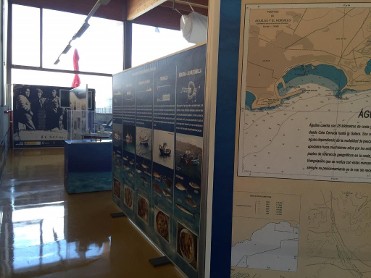
En la primera planta de La Lonja, se encuentra la Exposición de la Historia de la Pesca de Águilas, donde recorre la historia de la pesca en Águilas, desde sus inicios en la época romana hasta nuestros días, donde el visitante podrá, a la vez, asistir a la subasta de la Lonja mientras disfruta de esta exposición. La subasta tiene lugar todos los días de lunes a viernes, excepto festivos, a partir de las 17´00 horas (en función de la temporada, momento en que pescaderos, arrieros y mayoristas toman asiento en el graderío existente para participar en la subasta, adquiriendo el producto que más se adapte a las necesidades de su negocio.
Exhibitions
Cartagena
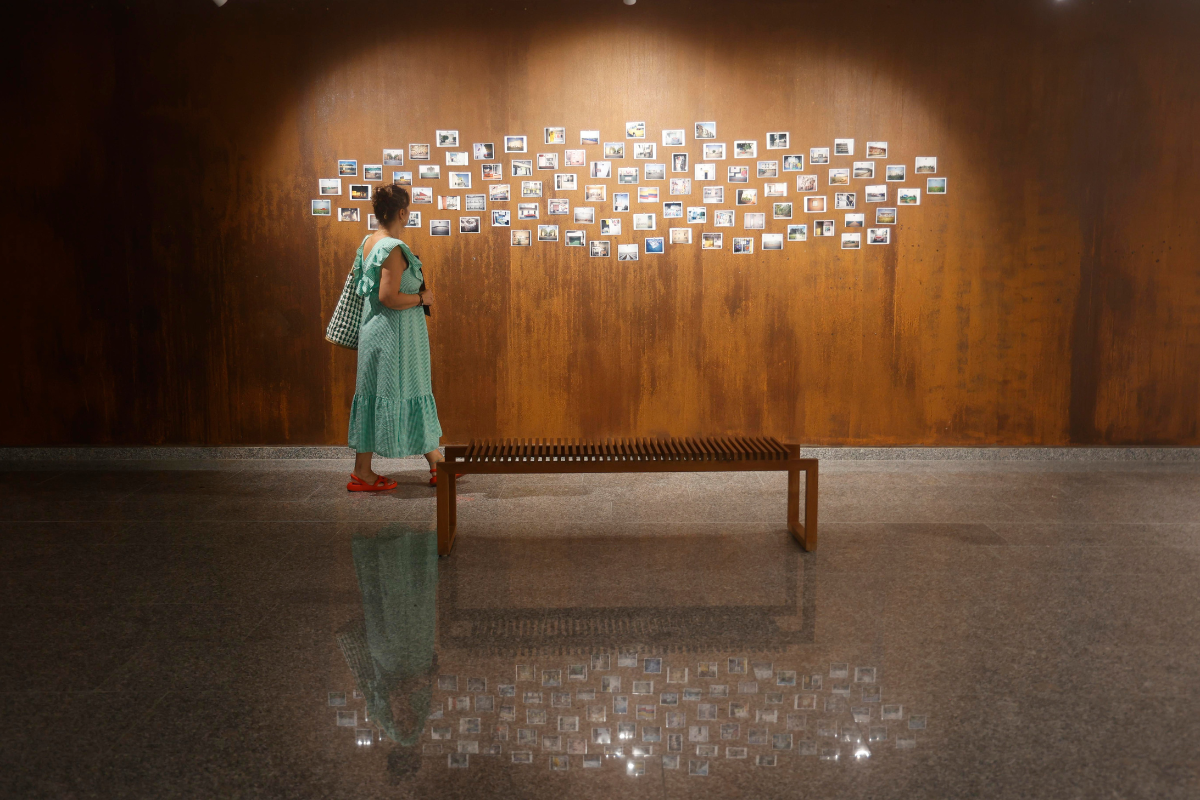
Las imágenes de Salvi Vivancos trascienden el ámbito documental para convertirse en un ejercicio de memoria colectiva que dialoga plenamente con el espíritu de esta edición de La Mar de Músicas, dedicada a reconocer la aportación de la comunidad ecuatoriana a la vida cultural y social de nuestro país.
Exhibitions
Molina de Segura
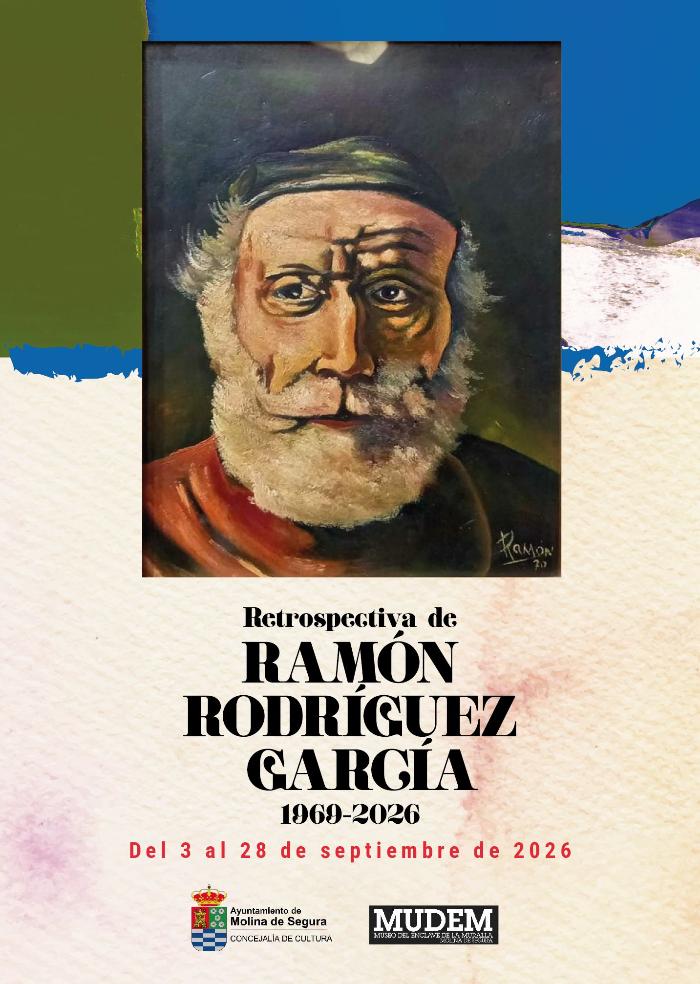
La Sala de Exposiciones del MUDEM acoge la exposición Retrospectiva de Ramón Rodríguez García.1969-2026, del 3 al 28 de septiembre. A lo largo de su carrera artística, Ramón Rodríguez ha empleado diversas técnicas (óleo, acuarela) y ha explorado distintos estilos, siempre con acierto, lo que demuestra su gran versatilidad. A menudo gusta de introducir pinceladas de color en entornos monocromáticos. El espíritu de Molina de Segura está atrapado en cierto modo en sus cuadros, que tienen como motivo desde conocidos personajes del pueblo hasta sus calles y paisajes. Aficionado a explorar la huerta, sabe cómo encontrar belleza donde otros no la ven. La temática de su pintura incluye también bodegones, marinas y paisajes, tanto de la Región de Murcia (Ojós, Cehegín, Moratalla, la capital) como del resto de España (Ávila, Segovia, Toledo, Granada, Jaén o Barcelona). Buen viajero, sus pinceles han retratado las más bellas ciudades europeas, entre ellas Carcassonne, Dubrovnik, París y Londres. Esta exposición retrospectiva es un alto en el camino para contemplar lo hecho y seguir enfrentándose al lienzo en blanco, pues un artista nunca se retira.

Lugares de interés
Ojós
Fue instalada en 1903 por el ingeniero José Luis Gómez Navarro (1869-1954) y posteriormente adquirida en 1912 por el industrial Joaquín Payá López (1872-1958), precursor de la iluminación de gran cantidad de municipios de la Región de Murcia y propietario de la empresa Eléctrica del Segura, convirtiéndose en un gran hito para el desarrollo industrial del Valle de Ricote. El complejo industrial cuenta con un hermoso edificio principal de grandes ventanales y cubierta de teja plana.
Monuments
Cartagena
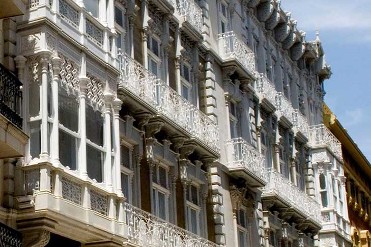
Recorrido de Fachadas de edificios modernistas y edificios Barrocos
Monuments
Dolores (Torre Pacheco)
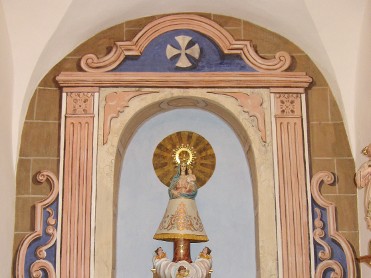
It is located in the Parish Church Our Lady of Los Dolores, in the district of Dolores de Pacheco. This temple has a Baroque origin and has a nave with chapels intercommunicated and open to the central nave by semicircular arches. At the foot of the church lies the tower and the chapel-ancient crypt of the Ayuso family, where several of its members rest. This chapel houses paintings by Querubina Ayuso dated and signed in 1887. Also known as the Calvary Chapel, its author is unknown, but it was built at the end of the 18th century as the Ayuso family pantheon. It is decorated with temples and oil on board and canvas from the 19th and 20th centuries. Under the chapel there is a crypt where the family burials took place and, according to the legend, a passage communicated the parish with Roda and was supposedly used by the Marquise of Roda to go to the Virgin Nuestra Señora de Los Dolores on rainy days. The Chapel has been restored by Natalia Carcelén Gilar, a graduate in Arts and Works of Art Restoration. The paintings and a wall painting in the background showing St. John and the Virgin Mary have been restored. As for the paintings on the ceiling, one of them belongs to the 18th century and represents Saint Isabel with Jesus and Saint John as children. The four Evangelists, situated in the corners, are from the end of the 19th century and the beginning of the 20th century, and the paintings that refer to the Passion are from 1962.

Festivities
Blanca
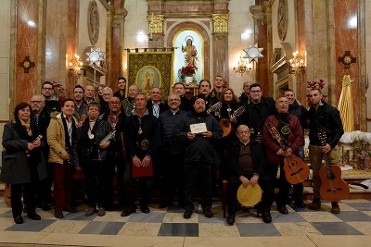
The Farewell of the souls is celebrated in Blanca on the 6th of January (Epiphany). During the whole Christmas, the "cuadrillas", presided over by the banner with the picture of the Virgen del Carmen (the advocate of purgatory) go from house to house in the different hamlets and streets of the locality; once they arrive there, the brother carrying the alms bag asks if they want some music in exchange for help for the souls. If they claim they want to hear the “cuadrilla” three or four coplas and "la despedía" are played. On Epiphany Day, the final stage begins in the Chapel of "La Milagrosa", and then they go through the streets near the parish church until the end of the trajectory. On this day all the members of the "cuadrillas" join together in one group and the people of the village join in. On arrival at the parish church, the "cuadrilla" stands at the foot of the main altar and begins the "despedía", which is sung in two different parts: The first is a series of verses about the prayers of the souls in purgatory to be rescued. In the second they give thanks to the saints for the end of the suffering of these souls. Finishing coplas of "despedía". Once the farewell is over, the phrase: "¡Salud para el año que viene!" ("Good health for next year!") is said.


Tiendas especializadas
Alguazas
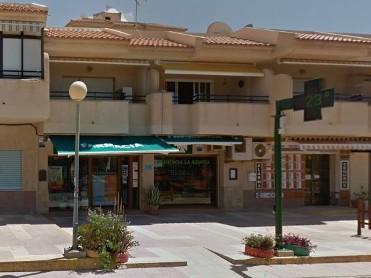
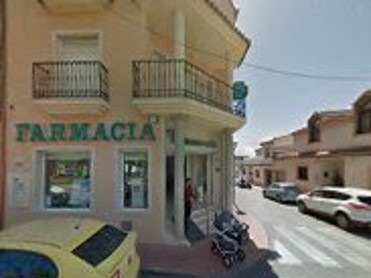
Farmacia Horario de invierno: De lunes a viernes de 9:00 a 14:00 y de 17:00 a 20:00 h. Horario de verano: De lunes a viernes de 9:00 a 14:00 y de 17:30 a 20:30 h.
Lugares de interés
La Manga San Javier (La Manga del Mar Menor)
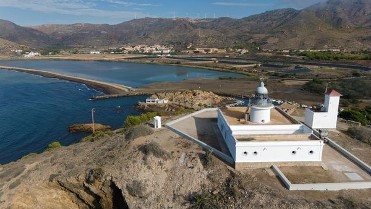
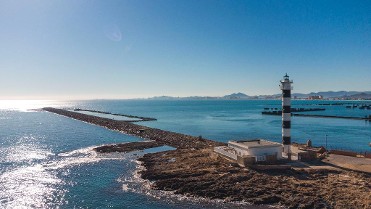
El primitivo faro se construyó en 1862 sobre una torre vigía del siglo XVI, que junto con otras 29, defendían las costas murcianas de los ataques corsarios. Hasta que se automatizó el faro en 1929, el servicio del faro era llevado a cabo por dos fareros. El actual faro se inauguró en 1971, tras ser demolido y construido de nuevo para adaptarse a la nueva normativa. Se trata de una torre cilíndrica de hormigón armado de 29,20 m de altura. . La parte superior está rematada con dos cámaras de servicio e iluminación sobre dos plataformas con barandilla de acero inoxidable. El sistema de iluminación está equipado con una linterna que emite cuatro destellos de luz blanca cada 20 segundos con señal de 4º orden y alcance de 22 millas.


