


Holiday accommodation
San Javier
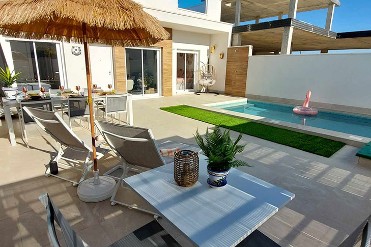
Villa vacacional a estrenar con 3 dormitorios, 2 baños. Totalmente equipado para su comodidad. Amplias terrazas y una hermosa piscina privada. Decorado con hermosos muebles de exterior. ¡Reserva ahora!


Lugares de interés
La Manga San Javier (La Manga del Mar Menor)
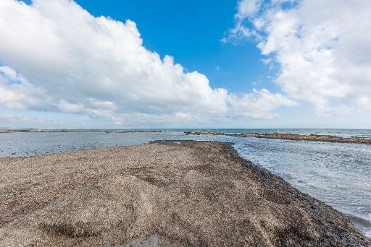
The Mar Menor is a coastal lagoon connected by channels, called "Golas", through which water is exchanged with the Mediterranean Sea. Located in the Encañizada area, near the Veneziola site, north of La Manga, the Gola del Charco is, along with the Ventorrillo Gola, one of the two natural channels that are preserved, out of the five that exist in La Manga. In this channel, as in the Ventorrillo Gola, to take advantage of the migratory movement of some fish such as mullet, sea bream, leerfish, or cutlassfish, elaborate fishing systems made of reeds and nets, called "encañizada", have been installed since arab times, which have given the area its name. The Gola del Charco, like the rest of the Encañizadas area, has undergone few transformations, except for the islets of Ventorrillo and Torre, which house auxiliary buildings for fishing facilities. The habitat of the area where the Gola del Charco is located is formed by an extensive zone of halophytic vegetarion, dunes, beaches, and accumulations of oceanic Posidonia seaweed. This area becomes flooded when there are the infrequent rains or a storm. It is also the refuge for stilts, avocets, and other birds of great interest and rarity such as the Great Crested Grebe (Podiceps cristatus) and the Red-breasted (Mergus serrator)

Holiday accommodation
San Pedro del Pinatar
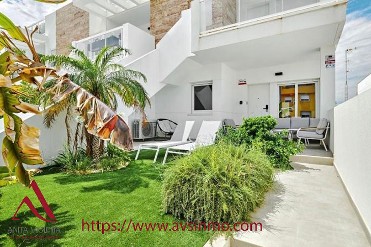
Le invitamos a alquilar este lujoso apartamento Golden Luna, situado en el encantador San Pedro del Pinatar, a solo 1,8 km de la hermosa playa Villananitos. Este excepcional apartamento ofrece un jardín privado, terraza y acceso a WiFi gratuito y aparcamiento subterráneo gratuito. El apartamento está elegantemente amueblado y cuenta con aire acondicionado. Consta de 2 amplios dormitorios, una cómoda sala de estar y una cocina totalmente equipada con nevera y cafetera. Los huéspedes también disponen de 2 baños con ducha y secador de pelo. El apartamento Golden Luna se encuentra a poca distancia de la playa La Mota (1,8 km) y la playa La Puntica (2,1 km). Para los viajeros, el Aeropuerto Internacional de la Región de Murcia está a solo 35 km, y el Aeropuerto de Alicante se encuentra a unos 55 minutos. En los alrededores del apartamento hay numerosos restaurantes encantadores, bares, supermercados y zonas de juegos infantiles. Los amantes del ocio activo pueden disfrutar de pesca, esnórquel, squash y numerosas rutas ciclistas. Para la comodidad de nuestros huéspedes, proporcionamos toallas y ropa de cama a su llegada, y cada estancia concluye con una limpieza exhaustiva del apartamento. Bajo petición, se ofrecen servicios de limpieza y lavandería por un coste adicional. Durante su estancia, le animamos a visitar atracciones cercanas, como el pintoresco parque de paseo Senda de los Tarays, situado a solo 2,2 km. Los amantes del agua pueden disfrutar del parque acuático Spain Aquatic Fun, a solo 400 m del apartamento. Alquiler de embarcaciones, buceo y pesca están disponibles a 1,6 km en el centro Turismo Marineo Murcia. Para la comodidad de todos nuestros huéspedes, está estrictamente prohibido fumar y traer mascotas.

Golf courses
Altorreal (Molina de Segura)
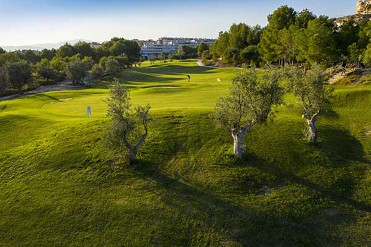
Located in the hills which surround the city of Murcia is the Altorreal Golf Club, one of the most venerable and prestigious golf courses in the entire Region, thanks to the design requirements of Dave Thomas. The excellence of this course lies in the variety of its 18 holes, offering a golf course full of nuances for all enthusiasts. Its facilities are supplemented by a multitude of services which offer an experience full of fun to all its visitors: > Golf academy for adults, with a methodology which combines technology and classicism. > Driving range equipped with putting green and approach green. > Buggies, hand carts and golf equipment rental service. > Clubhouse with cafes, restaurants, terraces, pro-shop... > Gym with yoga, sauna, physiotherapy areas...
Restaurants
Cieza
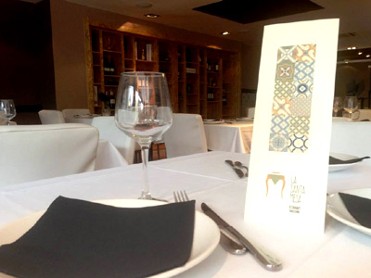
Disponemos de un menú diario que consta de Primer Plato, Segundo Plato, Ensalada, 1 Bebida, Postre o Café por 10€ en sala y 9€ en barra. Con nuestro menú del día puedes comer como en casa, con nuestros guisos tradicionales, sopas y arroces.


