Tiendas especializadas
Molina de Segura
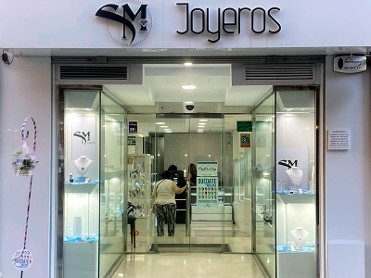
Joyas de oro, plata y acero. Relojes Bolsos de Tous y Guess Marcas: Pandora, Agatha París, PdPaola, Tous, Viceroy, Tommy Hilfiger, Lacoste, Hugo Boss, Citizen, Kidult, Vidal & Vidal, Lecarré, Mark Maddox, Bering...


Routes
Puerto de Mazarrón (Mazarrón)
Festivities
Fortuna
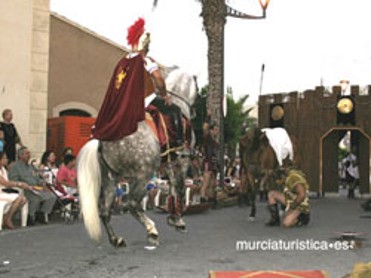
Festivities of historic rememoration which are held in Fortuna, in the urban part, in different squares and avenues and in the sanctuary "Cueva Negra", which is from the Roman period. Festivities remember the visit Romans used to make every year to Aguas Termales of Fortuna (Thermal waters) and worship, peregrination and poetic offerings for deities in the "Cueva Negra".

Holiday accommodation
Isla Plana (Cartagena)
Nuevo y acogedor ático ubicado en una de las zonas más tranquilas de Isla Plana con maravillosas vistas tanto del mar como de las montanas .Totalmente amueblado y consta de una cocina, baño, comedor, terraza con ducha, dos dormitorios y un sofá cama disponibles para un máximo de 5 personas. Todas las estancias cuentan con WIFI gratuito, aire acondicionado y con todas las facilidades para disfrutar de unas vacaciones relajadas e inolvidables. Esta a 6 minutos andando de la Playa del Coral. Incluye parking gratuito y dos piscinas en la urbanización.

Tourist apartments
Lo Pagan (San Pedro del Pinatar)
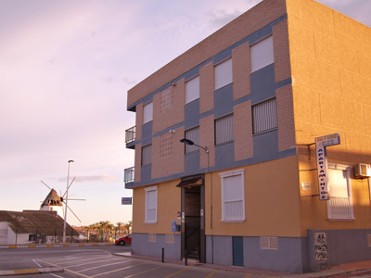
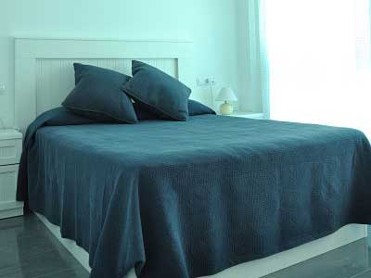
Los apartamentos están situados a 50 m de la playa de Villananitos y de los Lodos del Mar Menor. Desde los mismos se divisa el Molino de Quintín (enfrente) y el inicio del Parque Regional Salinas de San Pedro. Los apartamentos tienen una capacidad de hasta 4 huéspedes, disponemos de 8 apartamentos tipo estudio con una separación del dormitorio por una puerta corredera, salón-comedor, cocina y baño completo; Y 1 apartamento con una habitación doble, salón-comedor, cocina y baño completo. Todos los apartamentos están climatizados, tienen cuarto de baño propio con ducha con mampara, cocina totalmente equipada con vitrocerámica, horno, frigorífico y lavadora, cafetera italiana, además de disponer de menaje. En el salón hay un sofá cama doble, televisión y Wifi gratuito. Las camas son dobles o individuales en dependencia del apartamento, consultar disponibilidad. A la entrada se entregarán sábanas y toallas reemplazables a solicitud del huésped. El check in-out es por norma a las 12:00h, con posibilidad de late check out dependiendo de la oferta contratada. El Puerto de San Pedro del Pinatar está en las proximidades de los apartamentos, se pueden realizar travesías a pie por los paseos o en bici por carriles bicis. La zona dispone también de una variada oferta lúdico-deportiva con un excelente ambiente tanto de día como de noche, hay una feria de atracciones a 1 km de distancia y una zona de ocio nocturna. En las inmediaciones hay bares,restaurantes, heladería, tiendas, supermercados, renting de actividades acuática en la misma playa, etc...
Holiday accommodation
La Manga del Mar Menor
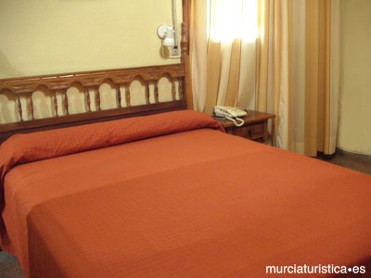
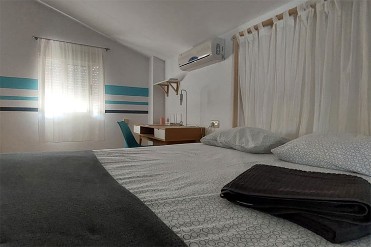
El apartamento está en el km 16,5 de La Manga del Mar Menor, rodeado de ambos mares en la zona más estrecha de la misma con solo 118 metros desde la playa del Mar Menor a la fina arena del Mar Mediterráneo. El mobiliario es totalmente nuevo y bien equipado. Cuenta con habitación de matrimonio con cama de 150x190cm, habitación secundaria con dos camas nido de 90x190cm, dos baños completos (uno de ellos en suite), pasillo distribuidor, salón con cocina americana totalmente equipada y terraza. El alojamiento está muy cuidado. Recién pintado, máquina de aire acondicionado recién renovada, frigorífico a estrenar en esta temporada y resto de mobiliario incluido colchones y almohadas en muy buen estado. La limpieza es fundamental en mi alojamiento y tratamos de renovar todo lo que no esté en óptimo estado. Piscinas, zonas comunes sin restricción y duchas para quitarse la arena tanto en la zona más cercana al Mar Menor como en la del Mar Mediterráneo (en la misma zona de piscinas) Cuenta con dos piscinas; una de ellas infantil para bebés y niños pequeños por su poca profundidad y otra piscina enorme de 50 metros con vistas al Mar Mediterráneo desde dentro de la misma. De las piscinas se accede a la playa directamente por accesos privados de la urbanización con pulseras magnéticas que se facilitarán a los huéspedes. La urbanización tiene 2.500 metros aproximados de zonas comunes sin contar con las piscinas y en los meses de julio y agosto hay refuerzo diario de limpieza en las mismas además de vigilante nocturno para tranquilidad de los veraneantes. Se alquila con plaza de garaje subterráneo al lado del ascensor.
Rural houses
Fortuna
Vivienda 1 - Casita para 2 personas Disfruta de una estancia acogedora en nuestra encantadora casita ideal para 2 personas. El alojamiento cuenta con un salón con televisión, conexión WIFI y un sofá/cama perfecto para relajarse. La cocina está totalmente equipada, lista para preparar tus comidas favoritas. El baño dispone de ducha, y el dormitorio ofrece una cómoda cama tamaño queen con ropa de cama y toallas incluidas. Podrás descansar del spa disponible durante todo el año, así como de un salón exterior con barbacoa ideal para disfrutar al aire libre. Un espacio perfecto para parejas que buscan tranquilidad, comodidad y un toque de bienestar. ?? (Aparcamiento gratis en el sitio) Vivienda 2 - Casa para 6 personas Disfruta de unas vacaciones perfectas en esta amplia casa ideal para 6 personas. La vivienda cuenta con 3 dormitorios dobles espaciosos, uno de ellos con baño privado, además de un baño adicional más grande con ducha italiana amplia. Una de las habitaciones dispone de un espacio de trabajo con escritorio, ideal para quienes necesitan combinar descanso y productividad. Las dos habitaciones del piso superior cuentan con aire acondicionado, garantizando el máximo confort durante el verano. El salón es muy luminoso, equipado con televisión y conexión WIFI, perfecto para relajarse o compartir momentos en familia. La cocina está totalmente equipada, lista para preparar tus comidas favoritas. La casa ofrece una veranda luminosa con vistas a la piscina, ideal para relajarse en cualquier momento del día. Durante el verano podrás disfrutar de la piscina, mientras que en invierno tendrás acceso al spa y a la zona de spa exterior. También dispone de una zona de comedor al aire libre, un espacio relax exterior perfecto para descansar, y un aparcamiento privado para tres coches. Un lugar encantador que combina comodidad, luz, espacio y bienestar, ideal para familias o grupos de amigos. ????
Active tourism
La Manga del Mar Menor
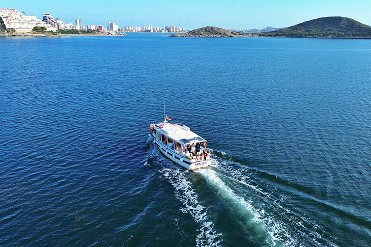
Solaz Lines les ofrece un amplio abanico de rutas en barco, tanto en el Mar Menor por sus diferentes islas, como en el Mediterráneo por la Isla Grosa y por la Bahía de Mazarrón. Navegamos por entornos de alto valor medioambiental como el Mar Menor, Isla Grosa, Isla Cueva de Lobos y la Reserva Marina de Cabo Tiñoso. Realizamos rutas con fondeo para baño y/o snorkel, paseos en barco con visión submarina y la posibilidad de alquiler para fiestas privadas. Nuestros barcos están tripulados por profesionales y dotados de todos los permisos reglamentarios. Realizamos líneas regulares en temporada estival y salidas para grupos durante todo el año.