Museums
Yecla
El MUSA, Museo de la Semana Santa de Yecla en la Iglesia de San Francisco Durante el recorrido por las instalaciones se puede conocer el discurso museístico, las diferentes salas expositivas y una parte representativa del patrimonio procesional yeclano, por la historia y evolución de la Semana Santa desde sus orígenes hasta la actualidad. En la visita al MUSA se puede apreciar el trabajo realizado de recuperación del edificio de la Iglesia, y la anexa Capilla y Camarín de la Virgen de las Angustias así como y la puesta en valor del patrimonio artístico y cofrade de la Semana Santa de Yecla, donde se aúna arte, historia, tradición, religiosidad y devoción popular
Museums
Totana
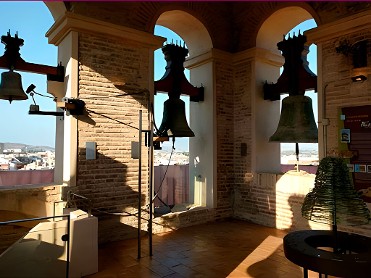
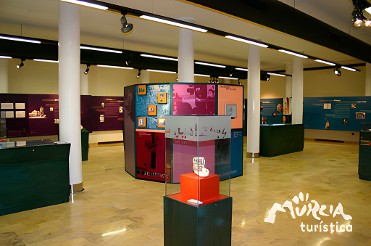
El museo está dividido en cinco niveles. El primer nivel acoge la sala capitular que hace referencia a la entrega de las tierras de Totana a la Orden de Santiago. El segundo nivel es el coro de la iglesia, donde se muestra el artesonado mudéjar del templo y la explicación de sus capillas. El siguiente nivel es el conocido como ¿cuarto de los novios¿, que era la antigua casa del campanero, donde se muestra el reloj antiguo de la torre, cuyo sonido ha marcado la vida del pueblo. El cuarto nivel no es visitable, ya que contiene el actual reloj actual. Y el último nivel es el campanario, donde se encuentra la segunda campana más antigua de la Diócesis, que data de 1470, con curiosidades que tan sólo los visitantes podrán descubrir.
Museums
Caravaca de La Cruz
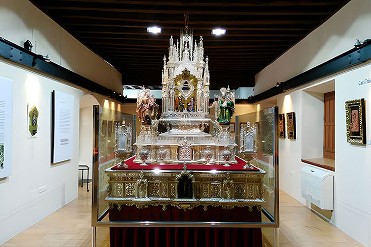
The building consists of two perpendicular naves preceded by a double gallery with semicircular lowered arches. It was designed during the first half of the 17th century. The museum has also a collection of metal works and paintings. Inside the art gallery stand out 6 oil paintings on panel painting from the 16th century. These are original works of Hernando de los Llanos, a painter who was a disciple of Leonardo da Vinci. Another work worthy of mentioning is the oil on canvas Curación de Tobias (the healing of Tobias), made by Rafael Tegeo from Caravaca, who was a personal painter of Queen Isabel II and one of the best Spanish neoclassical portraitist from the 19th century. In the metalwork section we can find the artwork Custiodia-Ostensorio de la Cruz (The Custody-Hostensory of the Cross) from the beginning of the 16th century; the artwork Portacruz de los Baños, a present from Luis Fajardo, the second Marquis of Velez; and the silver gilt box, donated towards the end of the 14th century by the master of the Order of Santiago, Lorenzo Suárez de Figueroa. Standing as an important piece in the museum, La Casulla de Chirinos, a Muslim tiraz adapted to the shape of liturgical ornament, is believed to have been carried by priest Chirinos at the time of the miraculous apparition of the Cross.
Museums
Murcia
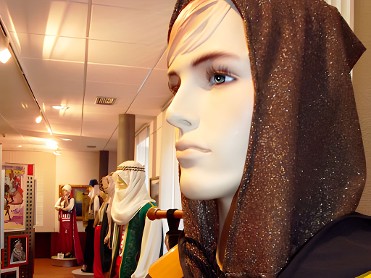
Las fiestas más populares de la ciudad de Murcia son las de Moros y Cristianos, de ahí que la comisión de fiestas se decidiera a crear un museo específico para poder acercar al visitante a la misma, declarada de Interés Turístico Nacional. Allí se exponen trajes de las distintas kábilas y mesnadas que desfilan anualmente en la Fiesta, así como carteles oficiales en sus más de 30 años de existencia. ÉPOCA: Siglo XX ESTILO: Moderno
Museums
Yecla
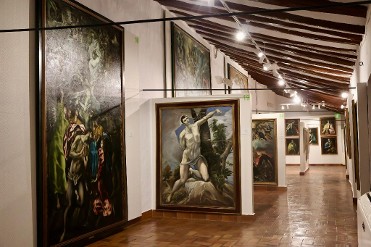
Se encuentra en la actual Casa Municipal de Cultura, ubicada en la Casa Palacio de los Ortega. El edificio es una buena muestra de arquitectura civil del siglo XVIII, conservando buena parte de su estructura original. Situado en su segunda planta, este Museo recoge 72 óleos, réplicas de otras tantas obras originales de El Greco, realizadas por el pintor yeclano Juan Albert Roses. Durante 20 años, Albert Roses recorrió el enclave de cada uno de los cuadros originales para reproducirlos con absoluta fidelidad.
Museums
Murcia
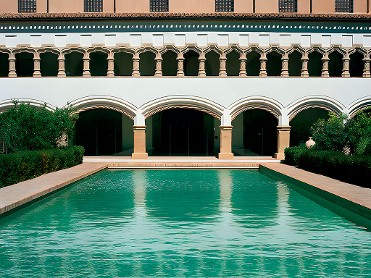
Santa Clara Museum. On the Islamic-Mudejar palace of the Emir of Murcia, Ibn Hud, the monastery of Santa Clara was founded, which since 1365 houses the Clarisas nuns. In this building come several centuries of history and different cultures such as Islamic, Gothic and Baroque. The museum space and the nuns coexist in total harmony. It conserves one of the oldest Arabic pools in Spain. TIME: 13th, 15th and 18th centuries STYLE: Arabic, flamboyant and baroque.
Museums
San Javier
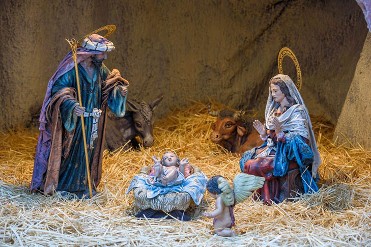
MUSEUM OF NATIVITY ART The Museum of the Nativity of Spain, located in the same building as the Local History Museum, showcases the most characteristic aspects of Christmas art in three rooms. The first section presents the joyful Mysteries of the life of Jesus. In the second section, various traditional scenes and occupations typical of the Region of Murcia can be observed. The third section features an international exhibition of Nativity art. The Nativity scene is displayed each Christmas in the Plaza de España in San Javier. The collection comprises approximately 500 Nativity figures.
Museums
Jumilla
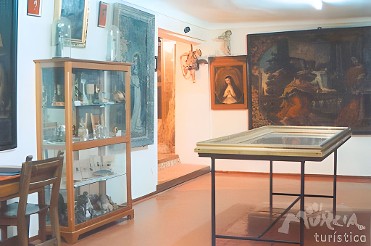
Situado en el paraje que le da nombre, consta de reliquias y objetos singulares traidos por los padres franciscanos en sus viajes misioneros por todo el mundo. Destaca de entre toda la colección un Cristo de Salzillo, los relicarios, la capilla con sus retablos, diversas pinturas sobre todo del barroco, etc. Ofrece también objetos de carácter etnológico entre los que se encuentran artesas, instrumentos de matanza y objetos típicos de la vida cotidiana del convento y de uso popular. Cuenta con una importante biblioteca monacal.
Museums
Cartagena
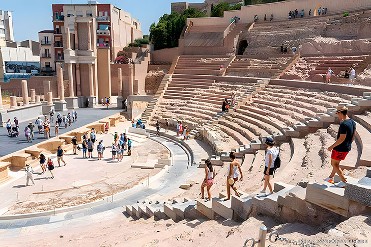
The Museum respond to the need for a museum space in which to bring together all the pieces found during the successive excavations of the Roman Theater. The Museum, designed by architect Rafael Moneo, incorporates the Riquelme Palace and the Church of Santa María la Vieja in the complex, making the Theater the last and most notable piece presented in the Museum. Through these exhibition spaces, visitors will be guided from the lower parts of the city to the interior of the Roman theater. Enjoy the Virtual Tour. Click here

Wineries
Jumilla
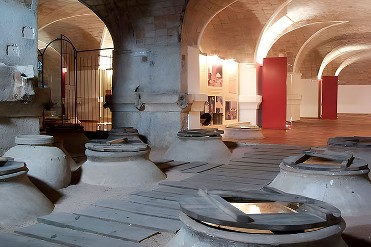
Conoce la Cultura del Vino Si desea vivir una auténtica experiencia cultural, gastronómica y de relax en el Valle del Carche le proponemos: Descubrir nuestro Museo del Vino Hacienda del Carche ~ Casa de la Ermita, una superficie de 1.500 m2, que alberga la gran historia de la cultura del vino de Jumilla, un recorrido por la historia que de manera cronológica recoge todas y cada una de las tareas y trabajos relacionadas con la vid y el vino, de manera que el visitante podrá admirar campo y tierra, la etapa de la vendimia, la entrada de la uva en bodega, los trabajos de tonelería, pasando por la conservación y el laboratorio, etapas todas ellas necesarias para descubrir la experiencia de la Monastrell. !!! Un museo divertido con degustación de vinos al finalizar la visita !!! Degustación de cuatro vinos con picoteo de productos de la zona (olivas, patatas, embutidos típicos, quesos de Jumilla con mermeladas de vino, pan con aceite oliva virgen extra, vinagre balsámico…) Vivir el viñedo La experiencia enoturística del Valle del Carche conforma un total que ofrece todas las posibilidades de ocio, cultura, gastronomía y deportes asociados al vino ¡Ven y vive la cultura del vino! Alquiler de bicis: recorre los viñedos y el Parque Regional de la Sierra del Carche en bicicletas ¡rutas sencillas para disfrutar! Rutas en Quad: disfruta de un recorrido espectacular entre viñedos a mandos de tu propio quad. Alojamiento Rural – Eco Turismo Alojarse en la Casa del Labrador, construida en el siglo XIX por los propios trabajadores que la iban a habilitar, levantando sus paredes con piedra natural del Parque Natural Protegido de la Sierra de El Carche, mientras que el tejado se construyó utilizando cañas, palos de pino, argamasa y teja árabe, su rehabilitación finalizó en 2015 respetando al máximo su estructura original pero dotando de todas las comodidades y tecnologías actuales capaces de satisfacer cualquier necesidad y al mismo tiempo, respetuosa con el medio ambiente, al ser autosuficiente, ya que tanto el agua como la energía provienen exclusivamente de la lluvia y el sol. Sabores y sensaciones Degustar la rica gastronomía en el Restaurante Cien, una manera distinta de disfrutar del vino, cuenta con 6 grifos donde servir directamente de depósitos en un espacio acogedor, con un horno de leña visto donde Marcelo, cocinero, borda elarroz al sarmiento. Ingredientes que maridados con los buenos vinos de Jumilla le harán vivir una experiencia gastronómica única.
Museums
Bullas
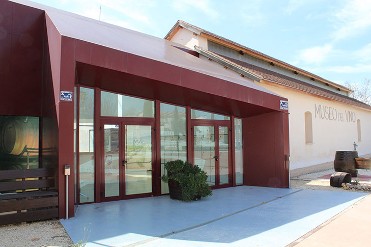
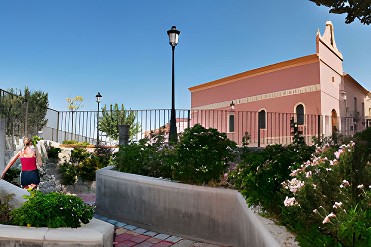
An exciting walk along the history of the wine to know in a didactic and pleasant way, from the craft elaboration in days gone by to the most modern methods, which allow us to obtain the most appreciated wines of today. Tariff: Individual ticket: 3'5 euros Groups (Minimum 12 people): 2 euros Pensioners / young and student Card: 2 euros Schoolchildren: 1 euro
Museums
El Llano (Molina de Segura)
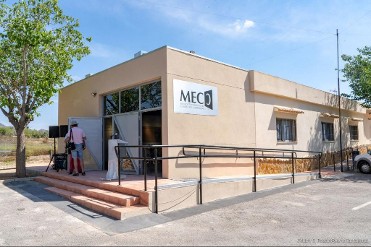
Descripción El conjunto museístico incluye una casa, una ermita, una noria y un huerto. La casa principal consta de dos plantas: en la planta baja se ubica la cocina, un amplio vestíbulo, con el tinajero y los chineros, la escalera y el antiguo patio, transformado en sala de usos múltiples. Se ha ambientado el mobiliario y el menaje típico de la época. En la planta primera está el dormitorio principal, ambientado como uno típico burgués del siglo XIX. Esta planta también acoge una muestra de indumentaria tradicional de los siglos XVIII y XIX. Asímismo, esta planta alberga un conjunto de miniaturas de útiles de la huerta e hidráulica tradicional, realizado por Juan de Dios Arnaldos, dedicadas a las tradiciones de la huerta y que contiene aperos de labranza, una recreación de la vida en una barraca huertana, la noria y una reproducción de las distintas formas de aprovechamiento de la fuerza hidráulica, como una fragua, un batán y un molino harinero. Sólo accesible para discapacitados la planta baja del museo.
Museums
Roche (La Unión)
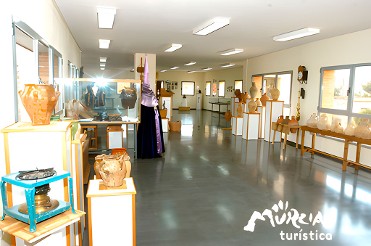
The museum hosts a large collection of daily utensils used by the inhabitants. This permanent ethnological exhibition is made up of a series of implements including domestic elements for lighting, weights and measures, pottery and glass items, clothes, farming implements and containers made of esparto.
Festivals
La Unión
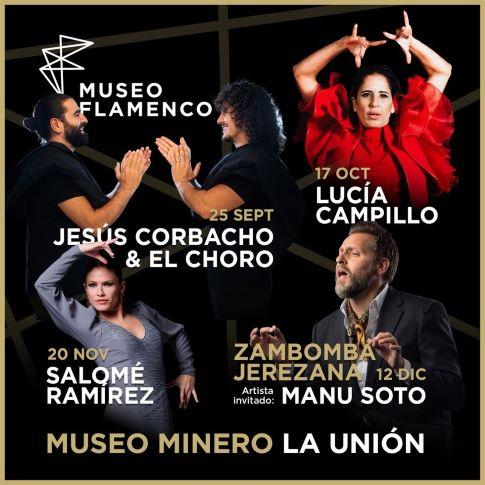
El flamenco vuelve al Museo Minero de La Unión. Cuatro citas, cuatro propuestas diferentes y una programación para disfrutar del flamenco durante los próximos meses dentro del Ciclo Flamenco Museo Minero La Unión. JESÚS CORBACHO & EL CHORO el 25 SEPT. LUCÍA CAMPILLO el 17 OCT. SALOMÉ RAMIREZ el 20 NOV. ZAMBOMBA JEREZANA el 12 DIC. Entradas: 10 € por espectáculo Zambomba Jerezana: 15 € Abono ciclo completo: 35 €
Museums
La Manga Cartagena (La Manga del Mar Menor)
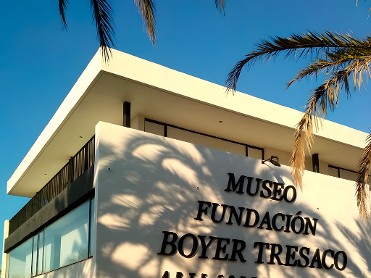
Located at the entrance to La Manga, the Museo Fundación Boyer Tresaco exhibits the work of this atypical artist, who in his life process went from being an auditor to moving away from the world, confined to a monastery, and finally dedicating himself to art. The foundation is a binomial between art and social project, and thus the room exhibits his work from the SIN series, in which homeless people completed the artist's work with phrases and reflections on the meaning of existence. It is also completed with works by other important figures in contemporary art, such as his collection of original works by Andy Warhol.
Museums
Molina de Segura
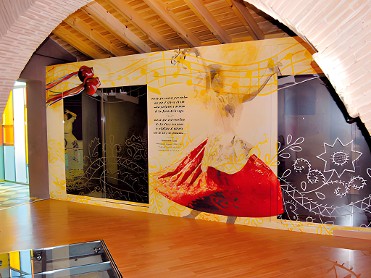
El Museo se ubica en el popular barrio del Castillo, en una casa del siglo XVII-XVIII, claro ejemplo de arquitectura popular, con una estructura original, realizada con la antigua técnica del tapial. Destaca la impresionante cúpula del horno moruno, del que hay noticias desde 1491. El horno perteneció al Concejo de la villa en la Edad Media, antes de formar parte del marquesado de los Vélez y estuvo en funcionamiento hasta los años 70 del siglo XX. Además de las labores del pan, el museo tiene una sección donde se muestra la música y bailes populares de Molina. Lugar accesible para discapacitados.