
Teatro y humor
Alhama de Murcia
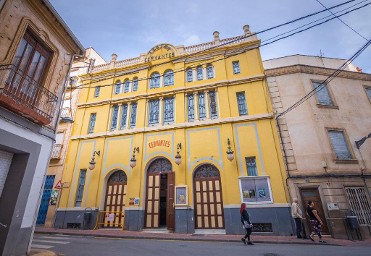
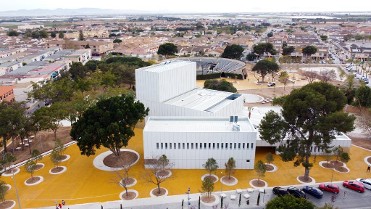
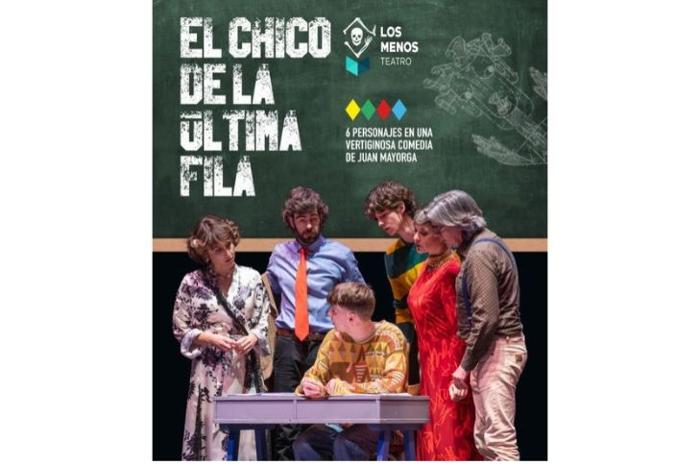
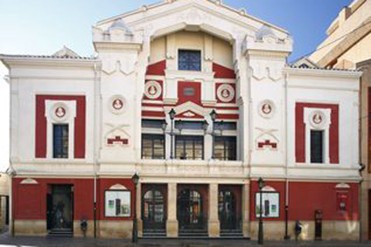
El chico de la última fila, de Juan Mayorga, llega a Alhama de Murcia de la mano de Los Menos Teatro–ICA. Una obra que combina teatro y reflexión a través de una historia relacionada con la educación, la familia, la escuela y la literatura. La obra parte de la relación entre un profesor de literatura y uno de sus alumnos, a partir de una redacción que despierta el interés del docente y abre la puerta a una historia cada vez más compleja.
Teatro y humor
Alhama de Murcia
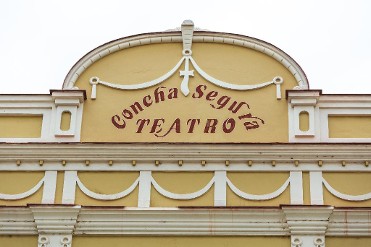
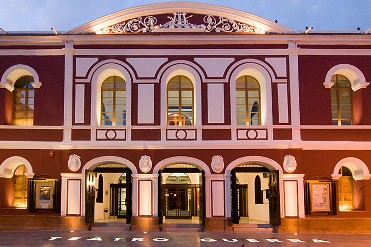
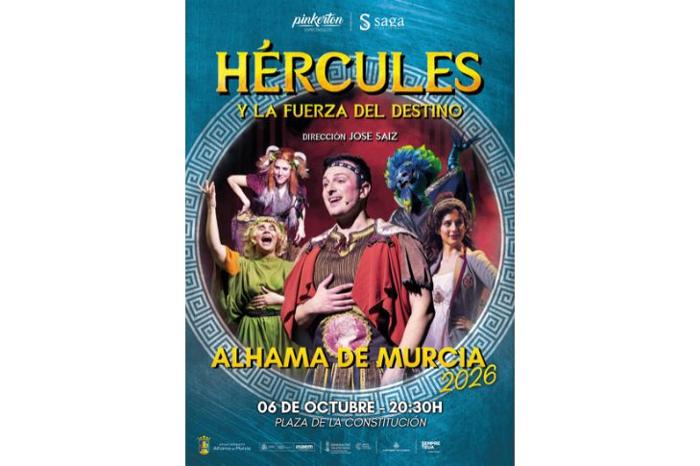
Alhama de Murcia propone para el público infantil el musical “Hércules y la fuerza del destino”, una producción de Saga Producciones basada en las aventuras del héroe de la mitología griega. Un espectáculo familiar que combina música, interpretación y fantasía para acercar a los más pequeños la historia de Hércules y sus aventuras.
Monuments
Cartagena
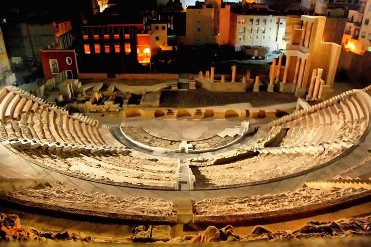
The discovery of the Roman Theatre of Cartagena is one of the most important events in the archaeology of the city. It was a fortuitous event as there were no written references or archaeological data that could prove its existence. The passing of time meant that this same space was used for various purposes and served as a site for different buildings. In the 5th century it was transformed into a commercial complex, on top of which a Byzantine-era commercial quarter was later built, and on top of which there are structures from the Islamic period of the 11th and 12th centuries. After the Castilian conquest, it became one of the most populous quarters of the city, where the old Church of Santa María (Old Cathedral) was built. The Roman Theatre of Cartagena is located on the Cerro de la Concepción, the highest of the five hills that make up the topography of the city. This location, which was very common at the time, facilitated the construction of the stands by taking advantage of the rock of the hill itself. Its northern orientation protected it from the south winds and gave it excellent acoustics. The study of the various elements found allows us to date its construction to the end of the 1st century BC, coinciding with the period of the colony's greatest urban development. The grandstand or cavea, divided into three horizontal sectors, had a capacity of approximately 6,000 spectators. The stage front enclosed the grandstand and was divided into two floors decorated with columns. The chromatic variety of the materials it was made of (white marble, reddish marble, yellowish sandstone blocks covered with stucco) and the rich ornamental programme gave it great beauty. Today, the project by the architect Rafael Moneo incorporates this monument into an integral project that includes the Museum of the Roman Theatre (Riquelme Palace), the church of Santa María la Vieja and the Roman Theatre, as the last and most notable piece of the building. If you want to know more about the Roman Theatre click here.
Monuments
Tebar (Águilas)
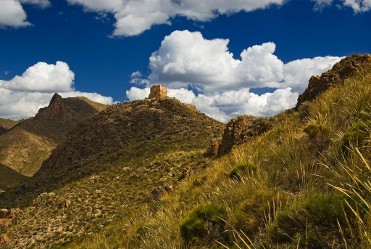
Ancient defensive tower in Tébar. Difficult access.

Monuments
Caravaca de La Cruz
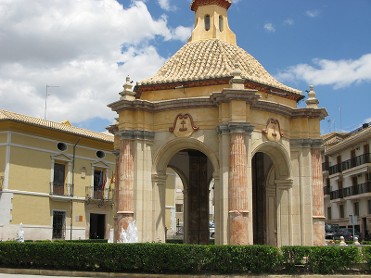
This baroque building, which rests upon a hexagonal layout inscribed in a circumference, consists of four different bodies: the podium, on which the building stands and from which two pillars rise; the main body closing the space and shaping the monument; the dome which rests upon a four-column structure, which is covered by Arabic tiles and, lastly, a lantern with six openings.
Monuments
Totana
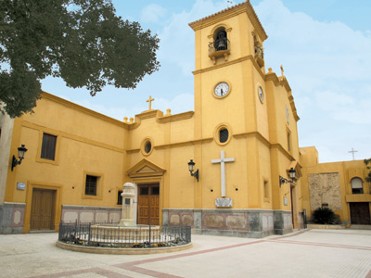
Templo remodelado del antiguo Convento de San Buenaventura y Convento de los padres Capuchinos, religiosos que regentan dicha parroquia. Originariamente este convento se construyó en el siglo XVII cuando se instaló allí una comunidad de frailes franciscanos Alcantarinos (1604), que permanecieron en él hasta la desamortización del siglo XIX. A finales de ese mismo siglo un sacerdote totanero adquirió el convento y lo donó a la Orden Capuchina, que desde entonces ha ejercido en Totana una importante labor pastoral y social. Es interesante conocer esta iglesia donde encontraremos pinturas de sabor modernista junto a otras de larga historia. En su interior conserva una cripta del siglo XVII. En el altar mayor destacan dos lienzos, obra del pintor valenciano Senen Vila: la imagen de las Tres Avemarías y unas vidrieras diseñadas por el padre Rafelbuñol. Sus capillas construidas de mampostería ofrecen una agradable sensación de devoción y fervor religioso, como también la cripta que se encuentra bajo la capilla de la comunión.
Monuments
Totana
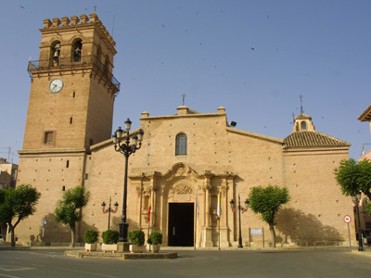
Diversas capillas completan su estructura. Comenzaron a construirse a partir de 1580, siendo una de las más relevantes: la de San Ildefonso (1580), en la que destaca el retablo de la imposición de la casulla por los ángeles al santo titular (tallado en madera). Es, éste uno de los pocos retablos renacentistas de la Región de Murcia que, dedicado a la advocación de San Ildefonso fue encargado para engrandecer la capilla familiar del regidor Alonso Ramos. Otra interesante capilla es la de Ntra. Sra. del Rosario (1664), cuyo primitivo retablo fue realizado por Antonio Caro, conviene visitar también la del Bautismo, la de San Antonio Abad y la de los Dolores. Este templo alberga una magnífica techumbre mudéjar realizada por el lorquino Esteban Riberón. En el altar mayor se encuentra un retablo barroco (1672) con columnas salomónicas, en cuya decoración destacan las hojas de parra. Es obra de Antonio Caro El Viejo. En su interior podemos contemplar imágenes de destacado valor artístico y religioso, sobresale la de Santa María Magdalena, atribuida a Francisco Salzillo. La talla del titular Santiago, patrón de Totana, es obra de González Moreno. En 1780 se construyó el camarín donde se ubica esta hermosa escultura.