

Lugares de interés
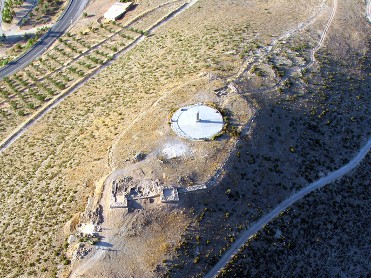
Archivel (Caravaca de La Cruz)
La pedanía caravaqueña de Archivel, situada al oeste de Caravaca de la Cruz, cuenta con un rico patrimonio arqueológico. Concretamente, podemos encontrar, en una elevación de mediana altura, a escasamente un kilómetro “El Cerro de las Fuentes”, un lugar que ha sido objeto de un buen número de campañas de excavación donde se han hallado restos de un yacimiento datado en el tercer milenio a.C, además de encontrarse vestigios de la importante Cultura Argárica. La cumbre, amesetada, se alza hasta los 1.000 metros sobre el nivel del mar.

Spanish courses
Murcia
Cervantes College is a language school located in Murcia city. Our aim is for our students to get involved in the local culture and city life while easily learning Spanish and practicing it in their daily lives. Spanish lessons are the necessary support to reach this target and we do it using a very practical approach. For example, a teacher will help students with with any specific doubts that they may have when it comes to writing, grammar or speaking. Teachers will also give tips on how to overcome any language difficulties and use of the Spanish language in new situations. All in all, the idea of learning by doing. We are committed to provide excellence and the highest quality learning. We firmly believe this is the only way for our students to reach the necessary language skills to become fluent in Spanish and reach your academic, professional or personal targets. Unlike other languages schools, our activities are not just organized for our foreign students. We want our students to get involved in local activities, groups and clubs that already exist. Practice is the best way to learn a language, talking to other people, making new friends, having fun.... Let us know what you like to do and we will find the perfect program for you! Our philosophy: a nice and welcoming environment where you feel at home. We want you to get the most out of your stay by learning and having fun, we want you to feel at home in the city! We firmly believe in sustainability, environmental friendliness and quality. We have an environmentally friendly philosophy and the proof is in the pudding: most of the materials and furniture in our schools are recycled, during the day the school is bathed in natural light and in the evenings we use energy-saving bulbs¿ Cervantes College premises are perfectly addapted and accesible for ALL our student to feel comfortable whatever their needs are. We provide as well accommodation and organize sports and outdoors activities for students with disabilities.
Monuments
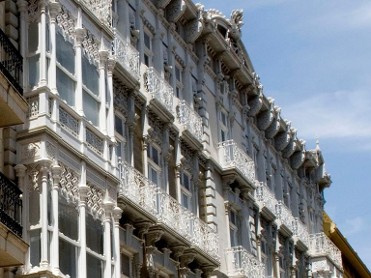
Cartagena
Victor Beltri's opera prima, this enormous house dominates the other buildings on the street. The façade contains the white belvederes so typical of Cartagena. There are dozens of symbols relating to commerce, industry and mining

Active tourism
Puerto de Mazarrón (Mazarrón)
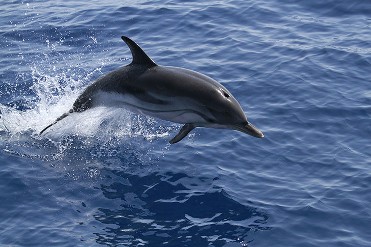
-Cetáceos & Navegación nace en 2003 como empresa de turismo en la naturaleza, y más concretamente en la naturaleza marina. -Ofrecemos las siguientes actividades: 1º Avistamiento de cetáceos: navegación para ver delfines y ballenas 2º Navegación y Snorkel en la reserva marina de Cabo Tiñoso: aventura en los parajes y calas del Cabo Tiñoso 3º Turismo-Pesca: observar como trabajan los pescadores tradicionales. FAUNA QUE PODEMOS ENCONTRAR CETÁCEOS Delfín mular: bottlenose dolphin Delfín listado: striped dolphin Delfín común: common dolphin Calderón común: pilot whale Calderón gris: Risso¿s dolphin Cachalote: sperm whale Rorcual común: fin whale PREMIOS -Premio al Turismo 2005 concedida por la Cámara de Comercio de Cartagena, delegación de Mazarrón. -Premio al Turismo Activo 2008 concedido por FITUR, revista Aire Libre y Ministerio de Turismo y Consumo. -Premio "a la mejor web 2012"concedido por el diario La Verdad -Premio "Conservación de la Naturaleza"concedido por la Fundación Omacha-EDC Natura, 2013
Hotels
Murcia
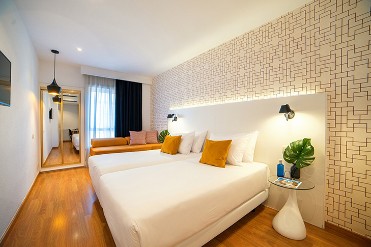
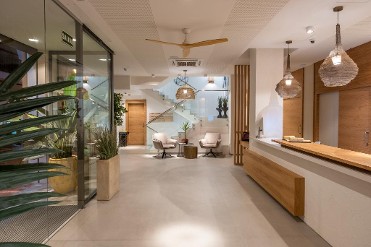
Junto a la Catedral de Murcia, en pleno centro histórico, a unos metros de los monumentos más simbólicos de la ciudad de Murcia, así como del centro financiero. El hotel ofrece una excelente relación calidad - precio. Dispone de un restaurante, totalmente reformado que sirve cocina murciana típica y un bar dónde podrá degustar exquisitas tapas. Gracias a su estupenda ubicación, podrá olvidarse del coche y descubrir la ciudad a pie.

Rural houses
Moratalla
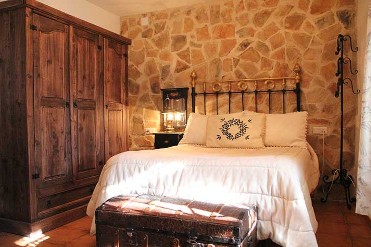
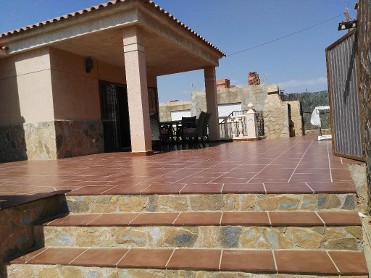
Casa Rural Chacón está situada a 3 km de Moratalla, uno de los pueblos más bonitos de la Región de Murcia. Es un hermoso cortijo rodeado de un espléndido jardín que hará las delicias de los más exigentes. La casa cuenta con todos los detalles y comodidades que deseamos encontrar cuando vamos de vacaciones: una magnífica piscina, un horno moruno para cocer pan o preparar un delicioso asado, una estupenda barbacoa y unas magníficas vistas del entorno. En el jardín, que hemos acondicionado con todos los detalles, disfrutará de sobremesas inolvidables rodeado de sus familiares y amigos, mientras los más pequeños se divierten en el parque infantil.

Holiday accommodation
Lorca
Chez Vous Tu hogar en el corazón de Lorca Bienvenido a Chez Vous, un encantador apartamento turístico situado en la calle General Eytier 3, en pleno centro de Lorca, una ciudad con alma histórica y encanto mediterráneo. Este alojamiento ha sido diseñado para ofrecer una estancia cómoda, acogedora y con estilo, perfecta tanto para escapadas culturales como para viajes de trabajo o descanso. El apartamento cuenta con una decoración moderna y funcional, cocina totalmente equipada, Wi-Fi gratuito, aire acondicionado y todos los detalles que te harán sentir como en casa. Ubicación inmejorable: estarás a pocos pasos del casco antiguo, con fácil acceso a monumentos como el Castillo de Lorca, museos, tiendas locales y deliciosos restaurantes. Además, está bien comunicado por transporte público y con fácil aparcamiento en la zona. Ya sea para una noche, un fin de semana o una estancia prolongada, Chez Vous es el punto de partida ideal para descubrir la belleza de Lorca y sus alrededores.


