

Congress office
Cartagena
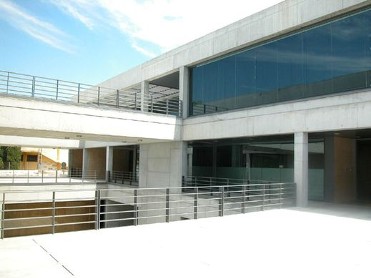
El Ayuntamiento de Cartagena, junto con la Cámara de Comercio, la Confederación de Organizaciones Empresariales de Cartagena y Comarca, CajaMurcia y la CAM unen sus esfuerzos para crear la Fundación Oficina de Congresos de Cartagena con el objetivo de promocionar nacional e internacionalmente el Turismo de Congresos. Una nueva vía para evitar la estacionalidad y conseguir favorecer a todo el tejido empresarial de la ciudad.
Congress office
Murcia
El Ayuntamiento de la ciudad crea la Oficina de Congresos de Murcia con la colaboración de empresas públicas y privadas del sector de servicios turísticos (Hoteles, Guías, OPC' s, Comunicación, Transporte, etc) con el principal objetivo de promocionar Murcia como sede de congresos, convenciones e incentivos


Monuments
Mazarrón
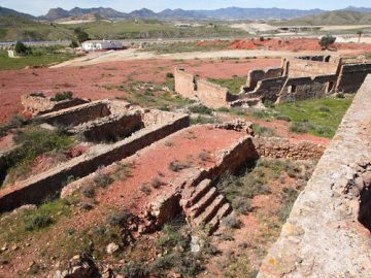
Alum is an aluminum and potassium sulphate, which was used in the 16th century as a mordant in fabric dyeing. The product also had other industrial, domestic and even medicinal uses. Data on alum production exists after the 15th century, when Enrique the IV granted the privilege of mining to the Vélez and Villena marquisates. The alum industry in Mazarrón went on growing until 1592, when the mines were closed as a result of declines in exportation to European countries. Starting in 1774, the mines’ activity was centered on alum waste and sediment (named “almagras”) treatment, which were used in that period for treating in the processing of tobacco. Remains of this activity in Mazarrón have been traditional in nature and operated on a small scale until recently. This production of what locals referred to as “alum,” more generally knowned as alum stone, a white coloured product used in barber shops as an “after shave” disinfectant. The old factory still maintains some parts of its facilities, such as some of the tanks, washing, and decantation basins, stone drying areas, a waterwheel base and ovens (for cooking the material). This is the oldest factory in Mazarrón, although there are two, more recent factories also dedicated to alum production. The red coloration of sediment is characteristic of these facilities (red ocher, referred to also as almazarrón in certain places) surrounding the facilities and giving them a particular look with this unique color, which has become emblematic and identifying for Mazarrón.
Monuments
Torre Pacheco
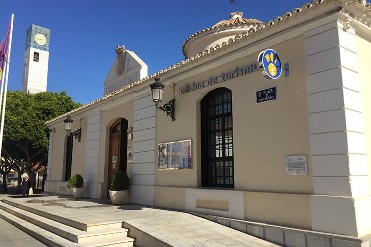
The Old Council House is located in the Town Hall Square, and inside it we can find the Tourist Office. The Torre Pacheco Town Hall was constituted on the 17th of September 1836, after two shorts periods of segregation in 1814 and 1820, being its first Mayor Mr. Mariano Iniesta. The building stands out for its “classicist” façade and dome, a work built by the local architect Francisco José Belmonte in 1866. This historical place is surrounded by 3 squares: - The Town Hall Square - Vicente Antón’s Square - Doctor Amalio Fernández – Delgado de la Peña’s Square (popularly known as “The Park of the Ducks”) The main facade shows the Torre Pacheco emblem carved in stone and divided into three parts with the following heraldic symbols: - On the left, there is a tower bathed by the sea at its base - On the right, the weapons of the Pacheco family: two cauldrons with twelve heads of serpents each - The base of the emblem is triangular, bearing the Ave-María insignia decorated by the Rosary (the patron saint of Torre Pacheco) and eight stars - In the upper part it is displayed the Marquisate’s Crown, made up of four fleurons and four bouquets with three pearls each. On the stairs that lead up to the building, 4 flags are waving, they represent: the European Union, Spain, the Region of Murcia and the Municipality of Torre Pacheco, the latter being red and blue with the emblem in the centre. The Council House building was originally a prison and a school. It has undergone various remodelling and extensions throughout its history, such as those in 1963 and 1975, the last restoration being in 2020. It is important to mention that, in the year 1890, the local architect Pedro Cerdán –considered the most important modernist architect in the Region of Murcia– carried out a reform in the old Plenary Hall. Nowadays, this space is used for civil weddings, meetings, exhibitions, and other cultural activities.


Wineries
Jumilla
Almazara Olimendros abre sus puertas a los amantes del mundo del aceite. Les invitamos a conocer la finda de producción integrada con su más de 150.000 olivos de seis variedades diferentes y la almazara donde se elaboran aceites de oliva virgen extra de gran calidad. La visita incluye la descripción de la forma de cultivo de nuestra finca y una explicación detallada del proceso de elaboración del aceite, cata y degustación de las distintas variedades de aceite.
Holiday accommodation
Murcia
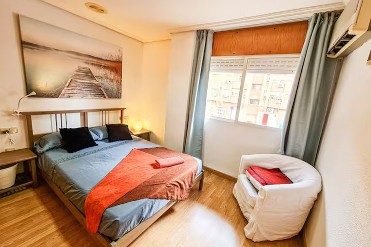
Es el piso perfecto para venir a trabajar y de visita. Se puede ir caminando en solo 10 minutos hasta el centro de Murcia. Está muy bien comunicado por los servicios de transporte públicos. Junto al Centro de Ocio ZigZag y Carrefour Zaraíche. El apartamento cuenta con una acogedora habitación de matrimonio, un cuarto de baño reformado y completo, una cocina totalmente equipada y un salón amplio y cómodo.

Lugares de interés
Ricote
El olivo más antiguo de la Región de Murcia, y posiblemente de toda España, se estima entorno a 1.400 años de antigüedad. Tiene 6 metros de perímetro y 7.5 metros de altura y en 2008 fue premiado bajo la categoría de Arbol Histórico. Según la tradición oral, en 1265 los musulmanes del valle de Ricote entregaron las armas al ejército del rey Jaime I de Aragón bajo este árbol y bajo este árbol en 1228 se coronó a Ibn-Hud, caudillo musulmán de la Cora de Tudmir.
Inns
Cehegín
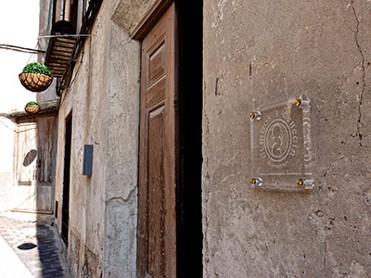
Olmitos 3 Casa-Palacio se emplaza en un edificio del siglo XVII, situado en la parte medieval del casco antiguo de Cehegín, perteneciente al Conde de la Real Piedad. Olmitos 3 Casa-Palacio ofrece servicios de alojamiento y desayuno. Todas las habitaciones están dotadas de baño privado, televisión y, algunas de ellas con saloncito privado. Admiten camas supletorias. La Casa Grande cuenta con recepción, biblioteca, diversas salas de lectura, algunas de ellas con chimenea, y el Bistró.. Servicio de cafetería y de habitaciones. Wifi gratuito en todo el establecimiento. El ambiente de Olmitos 3 es muy elegante, cálido y acogedor, debido al mobiliario y alfombras antiguas. Ambiente exclusivo, familiar y trato acogedor. Atención personalizada. Cehegin es una población de trazado medieval y ubicada en pleno corazón del Noroeste de la Región de Murcia de gran interés cultural. En ella han ido confluyendo las culturas cristiana, árabe y judía por lo que cuenta con numerosos edificios religiosos y civiles ¿ muchos de ellos blasonados - de gran valor histórico. Junto a lo anterior, en sus alrededores próximos se encuentran asentamientos íberos ¿ de cuyos vestigios quedan pequeñas cuevas con pinturas rupestres- y restos de un pueblo romano tardío-visigodo, Begastri. Disfrutar de unos días en una Casa Palacio es transportarse a otra época y el hecho de situarse en pleno casco histórico permite dar largos paseos por el casco histórico y olvidarse por unos días del ajetreo del tráfico. De otra parte, su proximidad a la vía verde es una gran oportunidad para disfrutar de la naturaleza y del entorno. Olmitos 3 es el lugar perfecto para planificar diversas y variadas actividades culturales deportivas y de diversión. El establecimiento cuenta con 3 habitaciones en la Casa Grande ,3 habitaciones en las Falsas de las Señoritas y una las Falsas del Conde (ubicadas en la parte alta de Olmitos 3 a la que se accede por una escalera independiente).
Holiday accommodation
Cehegín
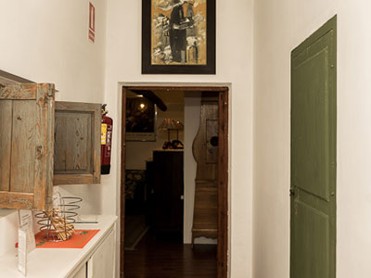
Los apartamentos vacacionales denominados Falsas de las Señoritas (8 pex) y las Falsas del Conde (2 pex), se ubican de forma contigua en la parte alta de la Olmitos 3 Casa-Palacio, s.XVII, situada en pleno casco medieval de Cehegín, a las que se accede por la escalera de la antigua puerta de servicio de la Casa-Palacio. Wifi gratuito. Las Falsas de las Señoritas (7 pex) cuenta con 3 habitaciones, dotadas de baño privado y televisión (1 con cama de matrimonio y 2 con camas individuales). Todas las habitaciones admiten camas supletorias. Las Falsas del Conde (2 pex ) (1 cama de matrimonio y ducha con hidromasaje. Espacio ideal para un fin de semana romántico. Disponibilidad de camas supletorias. Las Falsas de las Señoritas y las Falsas del Conde cuentan con cocinas perfectamente equipadas, espaciosos salones-comedor con chimenea, amplias terrazas con barbacoa y magníficas vistas al casco histórico de Cehegín y a la Peña Rubia. Las Falsas son muy acogedoras e invitan a realizar actividades en grupo. Ideales para pasar unas vacaciones en familia. Olmitos 3 es el lugar perfecto para planificar diversas y variadas actividades culturales deportivas y de diversión dado que Cehegin es una población de trazado medieval y ubicada en pleno corazón del Noroeste de la Región de Murcia de gran interés cultural. En ella han ido confluyendo las culturas cristiana, árabe y judía por lo que cuenta con numerosos edificios religiosos y civiles - muchos de ellos blasonados - de gran valor histórico. Junto a lo anterior, en sus alrededores próximos se encuentran asentamientos íberos - de cuyos vestigios quedan pequeñas cuevas con pinturas rupestres- y restos de un pueblo romano tardío-visigodo, Begastri. Las habitaciones de las Falsas de las Señoritas y las Falsas del Conde también pueden ser alquilados en régimen de habitación y desayuno, atendidos en la Casa Grande de Olmitos 3 Casa-Palacio. La Casa Grande cuenta con recepción, biblioteca, diversas salas de lectura, algunas de ellas con chimenea, y el Bistró. Dispone de wifi gratuito en todas las habitaciones y zonas comunes. Servicio de cafetería y de habitaciones. Ambiente muy elegante, cálido y acogedor, debido en buena parte al abundante uso de las telas, del mobiliario y alfombras antiguas. Ambiente exclusivo, familiar y trato acogedor. Atención personalizada. Disfrutar de unos días en una Casa-Palacio es transportarse a otra época y el hecho de situarse en pleno casco histórico permite dar largos paseos por el casco histórico y olvidarse por unos días del ajetreo del tráfico. De otra parte, su proximidad a la vía verde es una gran oportunidad para disfrutar de la naturaleza y del entorno.
Hotels
Fuente Álamo
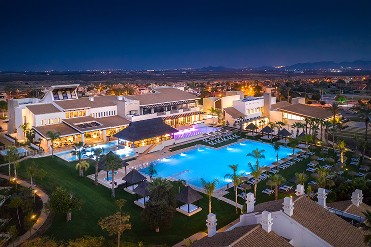
Descubra un entorno único en la hermosa Costa Cálida de España en el ONA Hotel Hacienda del Álamo Golf Resort. Ubicado en Murcia, este resort de lujo es ideal para escapadas en familia o eventos privados. Disfrute de habitaciones y suites bien equipadas con baños de mármol, ropa de cama de lujo y terrazas privadas con vistas a nuestros jardines. Disfrute de un baño en la hermosa piscina al aire libre del hotel o juegue al golf en Hacienda del Álamo Golf Club, que cuenta con un campo de 18 hoyos creado por el prestigioso diseñador Dave Thomas. Visite los sitios de interés local, desde las playas de la Costa Cálida hasta la antigua Cartagena y la histórica Murcia.
Tourist apartments
Torre Pacheco
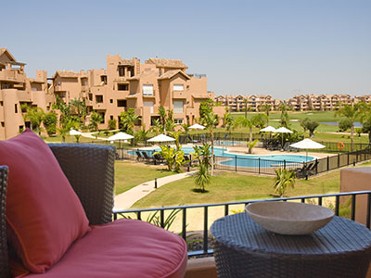
The apartments "The Residences Leisure & Experiences" at Mar Menor Golf Resort are located at the heart of the residential complex "Mar Menor Golf Resort" in Torre Pacheco (Murcia), front line, facing the 18 hole course "Mar Menor Village Golf", which is part of the IRM Golf Experience circuit, with courses created by Nicklaus Design. These apartments have been designed by the prestigious architects practice Melvin Villarroel, who have blended architecture and nature in an "integral design", based on the architecture of the void. The apartments open onto a big garden area and a community pool. These exceptional apartments, which don't leave any details to the imagination, enjoy a beautiful and bright living room, completely furnished with modern and comfortable furniture, TV and Internet access. Kitchen completely equipped, with microwave oven, fridge and washing machine; and bathroom/s completely furnished. 1, 2 or 3 splendid bedrooms, all exterior, with either terrace or garden and community pool. All apartments have views to the golf course, which is scattered with lakes. Guests have access (upon payment) to the facilities at Hotel Intercontinental Mar Menor, right next to the apartments, which include spa, restaurants, an English pub and golf club house. It's excellent location, just a few minutes drive from the best beaches in Murcia, 5 Km from all the nautical offerings in La Manga del Mar Menor and very close to natural environments and touristic routes, make this place a privileged location for your rest without forgetting your leisure and activities.
Hotels
Torre Pacheco
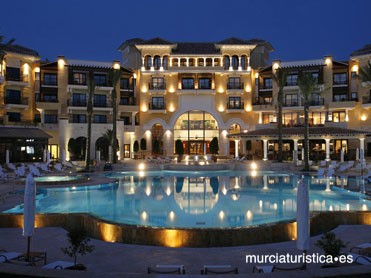
El hotel es la mejor opción para disfrutar de un auténtico refugio de tranquilidad en la Costa Cálida, donde poder combinar tanto viajes de negocios como de placer, disfrutar del turismo de sol y playa o del turismo cultural, jugar al golf o relajarse en un spa. Situado en Torre-Pacheco, a tan solo 15 minutos de la localidad turística de Los Alcázares, este resort le permitirá conocer los encantos de la Costa Cálida, sus estupendas playas y parques naturales, así como su milenario patrimonio cultural. Las 64 habitaciones destacan por su decoración de estilo mediterráneo y rústico, y todas ellas cuentan con un balcón o terraza con vistas a la piscina o a los jardines, así como con una bañera de hidromasaje, aire acondicionado, albornoz, zapatillas y Wi-Fi, entre otros equipamientos para una estancia perfecta y agradable. Además, el resort dispone también de una piscina exterior e interior, gimnasio, pistas de tenis, un club infantil de animación y 6 restaurantes y bares en los que disfrutar de toda una experiencia gastronómica basada en la gastronomía mediterránea y productos locales. En el spa podrá desconectar los cinco sentidos, pues este ofrece una gran variedad de servicios en un entorno tranquilo y relajante con la más exquisita decoración y ambientación en sus fantásticas instalaciones con una gran oferta de tratamientos. Se sitúa cerca de 6 campos de golf por lo que ofrece a los amantes de este deporte una localización perfecta desde la que desplazarse a diferentes campos con instalaciones modernas y de gran calidad.


Routes
Bolnuevo (Mazarrón)
Tiendas especializadas
Cehegín
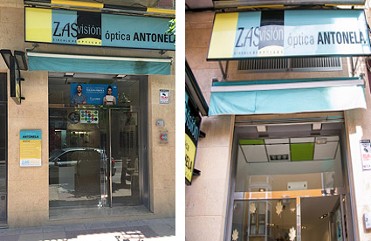
Óptica Gafas de sol y graduadas, lentillas y salud ocular. Horario: Lunes a viernes de 10:00 a 14:00 y de 17:00 a 20:30 h. Sábados de 10:00 a 13:30 h.


