


Holiday accommodation
Cartagena
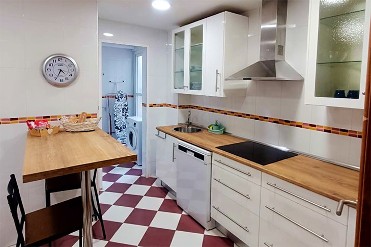
¡Bienvenido a nuestro acogedor piso vacacional en el corazón de Cartagena! Este apartamento, ideal para familias o amigos, ofrece un ambiente cálido con todas las comodidades necesarias para unas vacaciones inolvidables.Ofrecemos cocina totalmente equipada, baño completo y aseo, sala de estar, tres dormitorios y balcón. Smart TV e internet de alta velocidad
Holiday accommodation
La Manga del Mar Menor
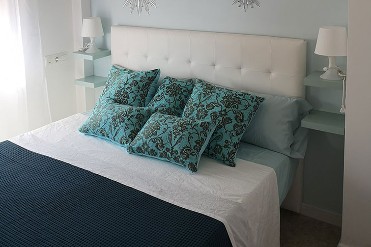
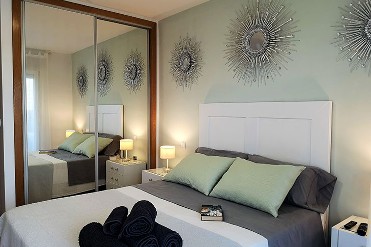
Ático recientemente reformado con espectaculares vistas, dos baños, parking comunitario, Wifi, jacuzzi, una de las mejores piscinas de la Manga y a escasos mts. de AMBOS mares. Se encuentra ubicado en la Veneziola, un enclave privilegiado de la Manga del mar Menor con todos los servicios y a la vez playas despejadas. El dormitorio dispone de cama extra larga (150 X 200), televisor, caja de seguridad y vistas laterales a los dos mares. Ropa de cama INCLUIDA. El salón también cuenta con TV y conexión a antena parabólica. Hay una pequeña videoteca, biblioteca y ludoteca. El sofá cama ( no ofrece la comodidad de una cama por ser sofá ) mide abierto 174 X 111 y 174 X 82. Cocina completa con electrodomésticos, cafetera de cápsulas. Dos baños, uno completo con bañera y grandes espejos. Artículos de aseo, toallas y sábanas incluidas. El parking es comunitario y GRATUITO. Suele haber sitios libres incluso en temporada alta. La piscina dispone de un gran jacuzzi y espacio para niños. Sombrilla y artículos de playa incluidos GRATIS. SEGURIDAD Disponemos de estrictos controles de limpieza y desinfección. Absolutamente todas las valoraciones de los huéspedes lo certifican mencionándolo en sus comentarios.
Holiday accommodation
San Javier
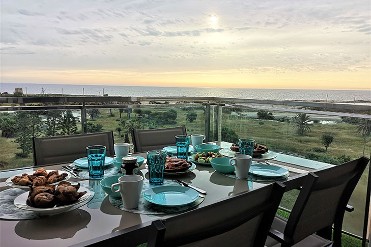
Apartamento recientemente reformado con espectaculares vistas, garaje, Wifi, aire acondicionado, piscina, parque infantil, cancha de padel y a escasos mts. de AMBOS mares. Telescopio portátil con adaptador para móviles y guía de aves acuáticas del mar Menor GRATIS !! para que puedas disfrutar y fotografiar flamencos y decenas de aves curiosas que habitan a escasos metros. Se encuentra ubicado en la Veneziola, un enclave privilegiado con todos los servicios y a la vez playas despejadas. El dormitorio dispone de cama de 150 X 190, televisor, aire acondicionado y vistas al Mediterráneo. Ropa de cama INCLUIDA. El salón también cuenta con TV y aire acondicionado. El sofá cama ( no ofrece la comodidad de una cama por ser sofá ) mide abierto 135 X 190. Cocina completa integrada al salón.Cafetera de cápsula. Baño completo con bañera. Artículos de aseo, toallas y sábanas incluidas. Garaje subterráneo con plaza fija GRATUITO.
Holiday accommodation
La Manga del Mar Menor
Apartamento recientemente reformado con espectaculares vistas, garaje, Wifi, aire acondicionado, piscina, parque infantil, cancha de padel y a escasos mts. de AMBOS mares. Telescopio portátil con adaptador para móviles y guía de aves acuáticas del mar Menor GRATIS !! para que puedas disfrutar y fotografiar flamencos y decenas de aves curiosas que habitan a escasos metros. Las mascotas son bienvenidas. Suplemento 20 euros por estadía. Se encuentra ubicado en la Veneziola, un enclave privilegiado con todos los servicios y a la vez playas despejadas. El dormitorio principal dispone de cama de 150 X 190, televisor, aire acondicionado y vistas al Mediterráneo. Ropa de cama INCLUIDA. El salón también cuenta con SMART TV 55 pulgadas y aire acondicionado. El sofá cama mide abierto 135 X 190. Cafetera de cápsulas. Artículos de aseo, toallas y sábanas incluidas. Garaje subterráneo con plaza fija GRATUITO. . Este no es solo un apartamento turístico. Es también nuestro refugio que disfrutamos cuando está vacío. Es por eso que hemos cuidado con esmero cada detalle. Estaremos siempre disponibles durante vuestras vacaciones para solucionar cualquier inconveniente que pueda ocurrir. Además disponemos de 2 apartamentos de un dormitorio en la misma urbanización por si quieren compartirlas con familiares o amigos. A escasos metros hay 5 buenos restaurantes, farmacia, cajero automático, supermercados, panaderías, puestos de churros, pub irlandés, deportes acuáticos, avistamiento de aves, parada de autobús en la esquina, etc. Los esperamos !!! Idiomas que habla: Inglés,Español,Portugués

Rural houses
Moratalla
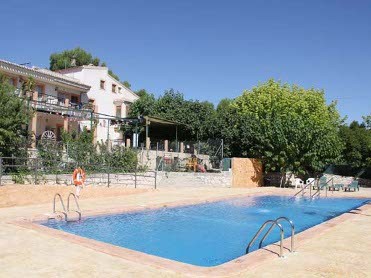
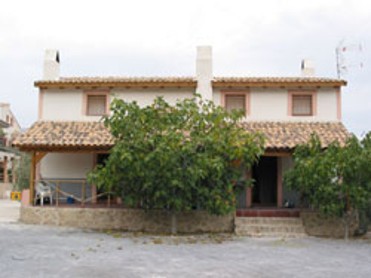
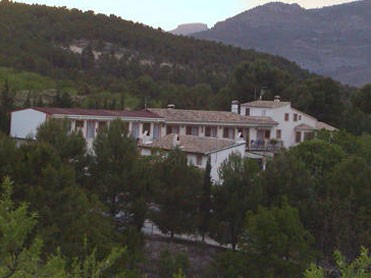
Casa rural de nueva construcción en el conjunto turístico del Hotel La Tejera.
Rural houses
Moratalla
Casa rural de nueva construcción en el conjunto turístico del Hotel La Tejera.
Holiday accommodation
La Manga del Mar Menor
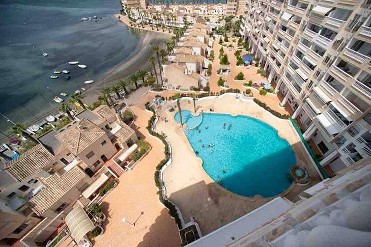
Desconecta de la rutina en este alojamiento único y relajante con aire acondicionado, wifi fibra óptica, tv plana, cocina nueva a estrenar, fabulosas vistas a los dos mares y una estupenda piscina