
Lugares de interés
Santiago de La Ribera (San Javier)
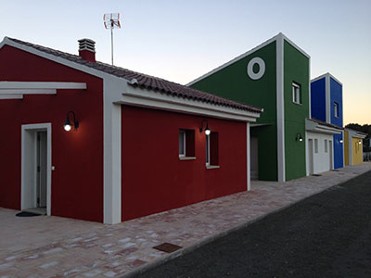
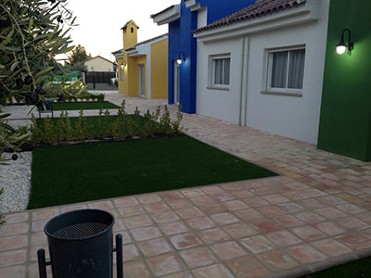
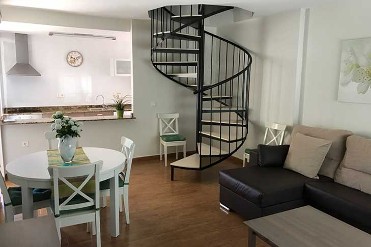
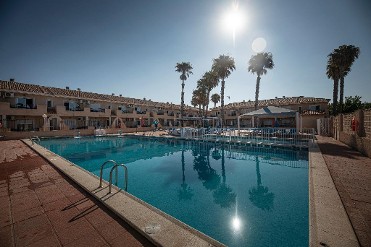
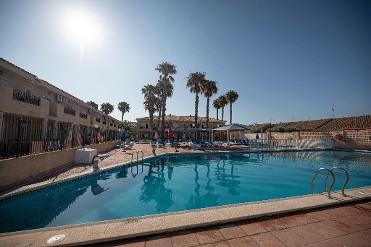
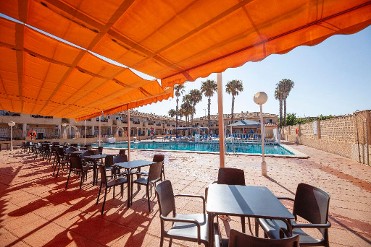
Residential neighborhood for military personnel serving at the General Air Academy. The blocks are defined by streets forming a grid parallel and perpendicular to the seashore. It is a very low-density layout, where each residence includes a generous private garden. Large common open spaces appear in the facilities complexes and along the seashore.




Monuments
Cartagena
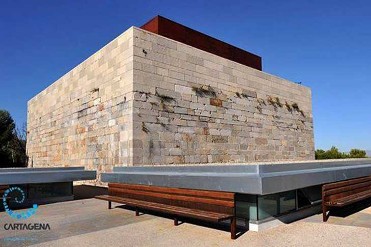
The fortress of the Castillo de la Concepción is the best starting point to discover the city and acquire an overview of its 3,000 years of history. Punic Carthage was founded in approximately 229 BC by the general Hasdrubal before its natural riches attracted the Romans, who made it one of the most important colonies of Hispania. The city was later ruled over by the Moors before its re-conquest for Castilla by the future King Alfonso X in 1245, and in the 18th century enjoyed a period of military splendour when it became the base of the Maritime Department of the Mediterranean. In the 19th century another golden age was brought about by industrialization and the growth of mercantile traffic in the port. The location in which the visitor sets out on this journey through history is the Castillo de la Concepción. The castle stands on the hill of the same name, which in the past has been home to a Roman temple dedicated to Asclepius, a Moorish fortress, a medieval castle and the siren which warned the population of bombing raids during the Civil War. In addition, the best panoramic views of the city and its natural harbour are those afforded by the fortress, which is easily reached via the panoramic lift to save walking up the hill. Enjoy a Virtual Tour of Concepción Castle. Click here
Música / Navidad
Águilas
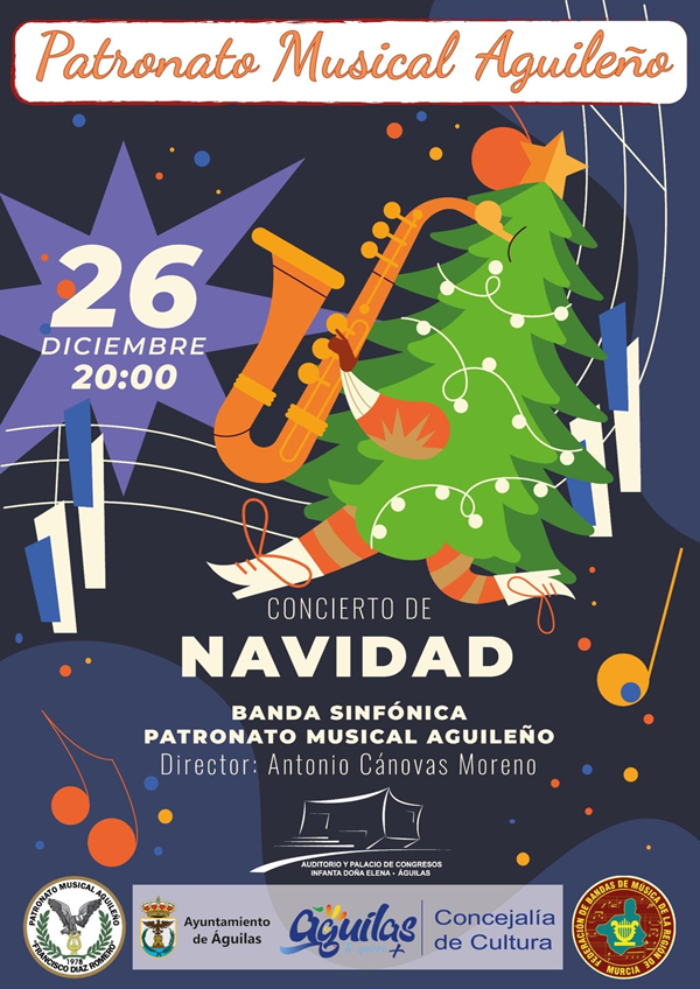
CONCIERTO DE NAVIDAD Banda sinfónica del Patronato Musical Aguileño, el sábado 26 de diciembre a las 20.00 horas, en el Auditorio y Palacio de Congresos Infanta Doña Elena. Entrada gratuita hasta completar aforo.
Música
Abarán
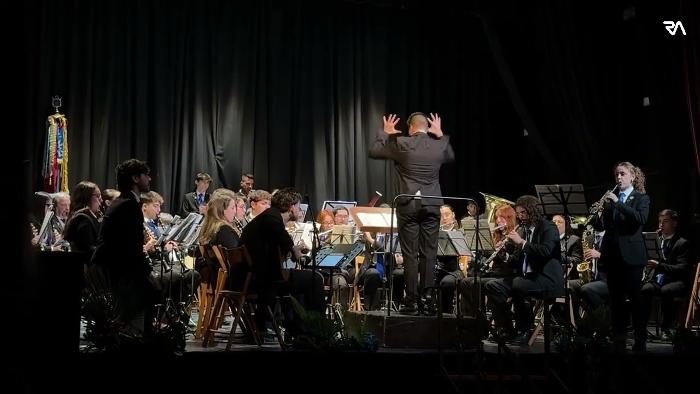
¡LA MÚSICA VUELVE A SER PROTAGONISTA! CONCIERTO DE SANTA CECILIA por la Agrupación Musical Santa Cecilia de Abarán Una cita muy especial para celebrar la música y disfrutar del talento de nuestra agrupación. Sábado 21 de noviembre 19:30 h Teatro Cervantes · Abarán ¡Déjate llevar por la música y celebra Santa Cecilia con nosotros!
Música
Águilas
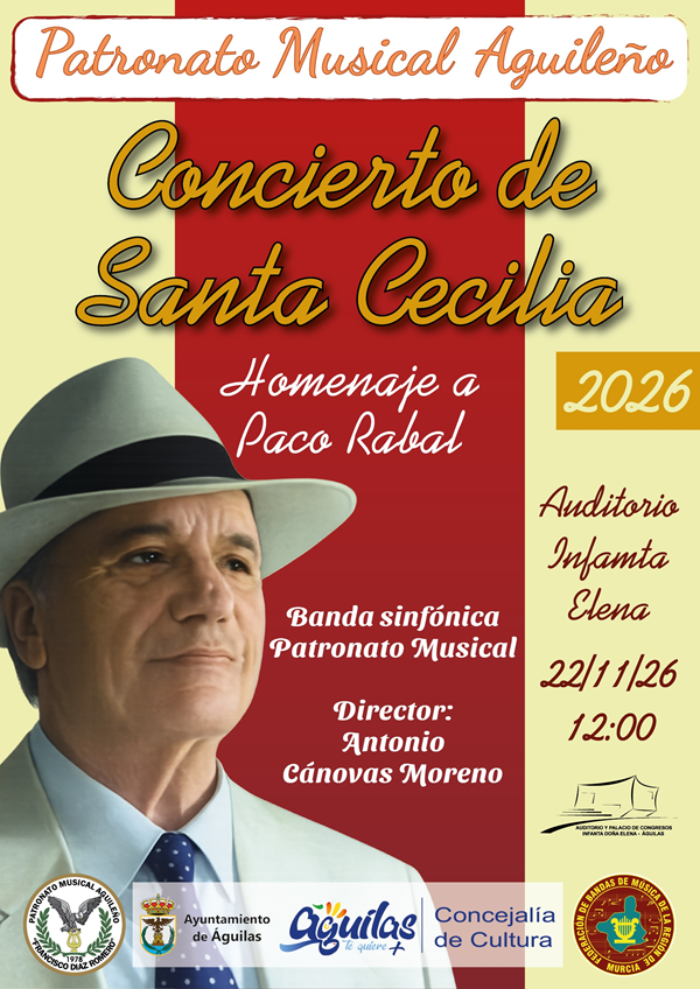
CONCIERTO DE SANTA CECILIA Domingo 22 de noviembre, en el Auditorio y Palacio de Congresos Infanta Doña Elena, a las 12 horas. Homenaje a Paco Rabal. Entrada gratuita hasta completar aforo.
Música
Águilas
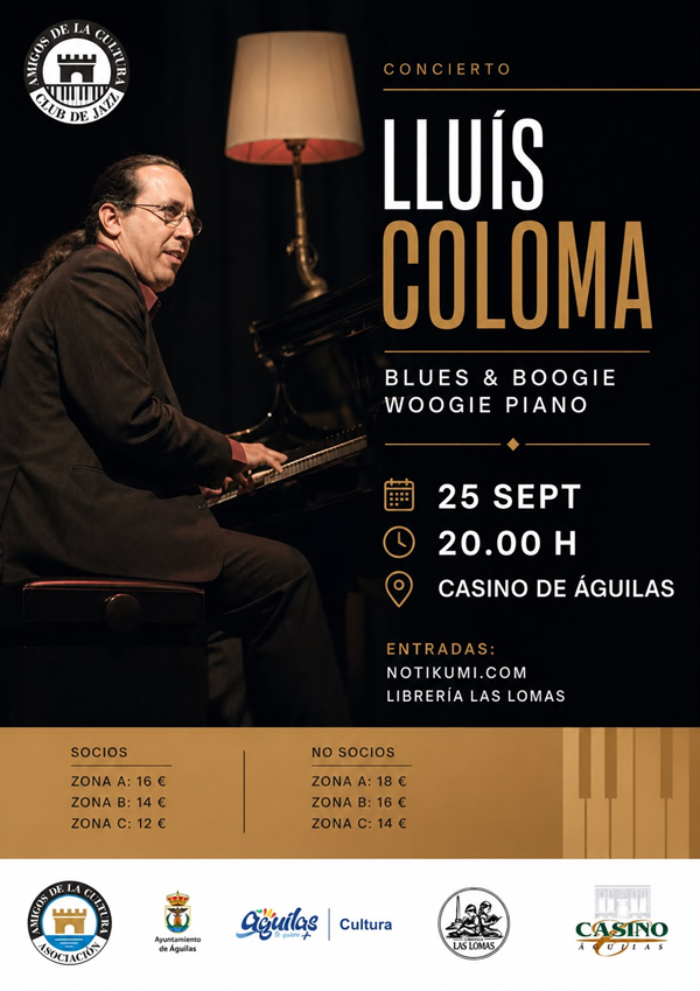
Viernes 25 de septiembre: CONICERTO LLUÍS COLOMA, blues y boogie, en el Casino de Águilas a las 20 horas. Venta de entradas en www.notikumi.com y en librería Las Lomas. Precios desde 14€ (12€ socios). Organiza Amigos de la Cultura - Club de Jazz.
Música
Barranda (Caravaca de La Cruz) / Caravaca de La Cruz
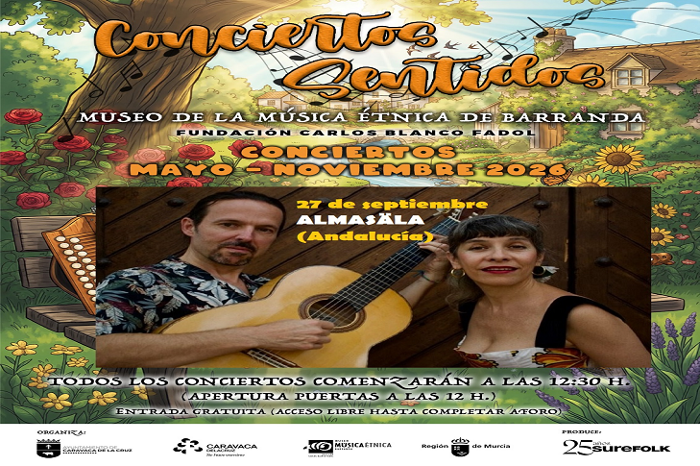
Los ‘Conciertos Sentidos’ continuarán el 27 de septiembre con ‘Almasäla’, formación andaluza encabezada por Guillermo Castro y Paloma Povedano, que mezcla flamenco, jazz, música contemporánea y sonidos de inspiración mediterránea y oriental. Su repertorio transita entre lo acústico y lo electrónico con composiciones cargadas de poesía y reflexión.
Música
Barranda (Caravaca de La Cruz) / Caravaca de La Cruz
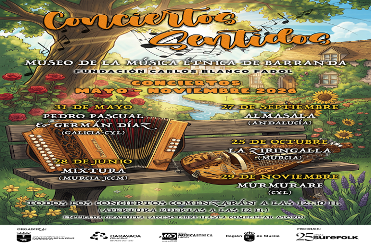
El Ayuntamiento de Caravaca de la Cruz, a través de sus concejalías de Cultura y Turismo, lanza una nueva edición del ciclo ‘Conciertos Sentidos’, una propuesta dedicada al folk y a las músicas del mundo que se celebrará entre de mayo y noviembre en el auditorio interior del Museo de la Música Étnica–Colección Blanco Fadol de Barranda. La programación está compuesta por cinco conciertos de pequeño formato, con acceso gratuito hasta completar aforo, que tendrán lugar los últimos domingos de mes a las 12:30 horas, con apertura de puertas desde las 12:00 horas. El cartel ha sido presentado por la concejal de Turismo, Ana Belén Martínez, junto a la representante de Surefolk, Alicia Baltasar, y el músico murciano Juan José Robles. El ciclo, recuperado por el Ayuntamiento en 2024 tras quince años sin celebrarse, vuelve para consolidarse como una cita cultural singular centrada en la difusión de la música de raíz y las tradiciones sonoras de distintas culturas y territorios.


