Monuments
Cehegín
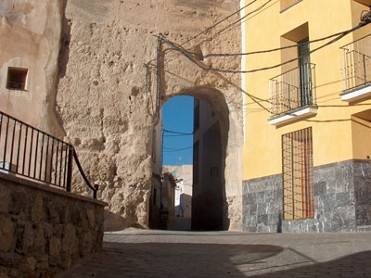
Although it originally had five towers, none of them remain, as they were demolished in 1956. The only thing left standing was the Caravaca gate, located in the upper part of Cehegín. This part of the regional heritage is preserved at a height of 10.40 metres. The walls form a right angle on which the houses rest. The road to Caravaca passes right through here thanks to an access gate that was opened a few years ago to prevent walkers from going around the entire enclosure.

Monuments
Ulea
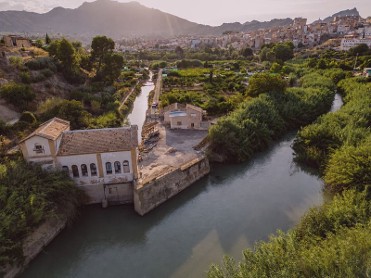
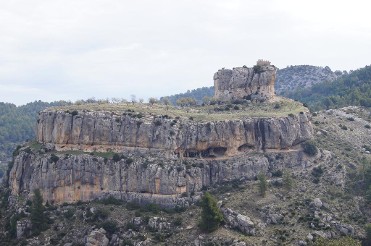
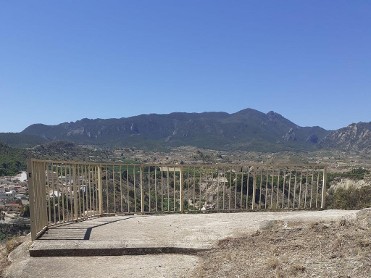
El Castillo y Sierra de Ulea conforman uno de los enclaves históricos y naturales más destacados del Valle de Ricote. En la Sierra del Castillo se conservan los restos del antiguo castillo medieval de Ulea, una fortificación situada en un punto estratégico desde el que se controlaba el valle y el paso junto al río Segura. Además de su valor histórico, este entorno ofrece impresionantes vistas panorámicas y paisajes naturales ideales para disfrutar del senderismo, la naturaleza y el turismo en la Región de Murcia.

Monuments
Murcia
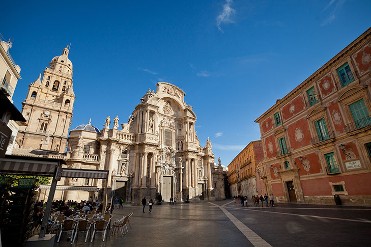
The most important temple in the Region is a magnificent merge of styles, a catalogue of stone which summarizes more than six centuries of art and history. Its construccion began in 1394 over the remains of an old Arabic mosque and in 1462 its vaults were finished. The oldest entrance is La Puerta de los Apóstoles (the door of the Apostles). Its only storefront is flanked by pointed archivolts with statues of the apostles on it. La Puerta de las Cadenas( the door of the Chains) dates from 1513 and has original pilasters and archivolts. From the 15th century dates the Capilla de Los Vélez covered by a ten-pointed star vault and profusely decorated. Another famous chapel is that of Junterón, whose oval ground plan is covered by an extremely original vault. Its baroque main façade (Imafronte), Jaime Bort¿s work, is an exaltation of levantino art (the 18th century eastern Spain art). It is divided as an altarpiece into two parts and three vertical sections. The tower, divided into five parts, is 92 meters high. Its construction started in 1511 and the fifth body hosts twenty-five church bells
Active tourism
La Manga Cartagena (Cartagena)
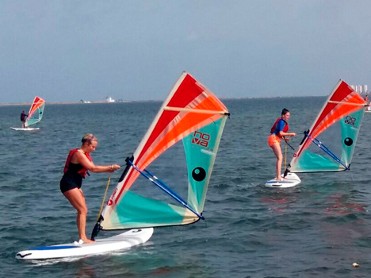
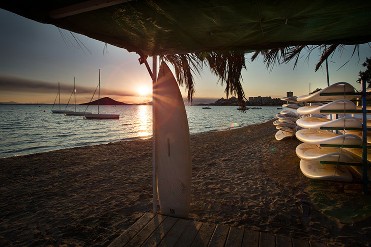
Cavanna Wind, nuestra Escuela de Vela te ofrece una amplia gama de servicios y cursos para todas las edades. Aprovecha tus vacaciones y aprende, perfecciona o disfruta alquilando nuestras embarcaciones. Navegar por el Mar Menor es un auténtico privilegio, sus vientos apacibles lo convierten en el lugar ideal para los amantes de los deportes náuticos y aquellos que buscan relajarse y divertirse en un entorno único. Los principiantes encuentran condiciones perfectas en sus aguas tranquilas y los expertos pueden optar, además, por enfrentarse a las olas del Mediterráneo. CURSOS (iniciación y perfeccionamiento) Windsurfing, Vela ligera(solo iniciación), Catamarán Clases pivadas(max. 2 alumnos) ESCUELA DE VERANO (De lunes a viernes de 12H A 14 H) Edades de 7 a 14 años Actividades diarias diferentes: vela ligera, windsurf, paddle surf, kayaks e hidropedales PASEOS A BORDO DE VELERO. ALQUILER DE EMBARCACIONES Y EQUIPOS: Windsurfing Escuela, Winsurfing Fun, Stand up paddel(Sup y SupXL), Neopreno, Arnés(Windsurfing), Hobie Cat 15 y Velero 5,5metros. OTROS SERVICIOS (alquiler) Guardatablas y taquillas. SERVICIOS DE PLAYA (alquiler) Patín tobogán, canoas y hamacas ACTIVIDADES DEPORTIVAS Vela ligera, catamarán, windsurf, kayak, paddle surf e hidropedales ALOJAMIENTO: Hotel Izán Cavanna (habitación +pensión alimenticia). BAR&Restaurante de playa: Cavanna Breeze.
Tourist offices
Cehegín
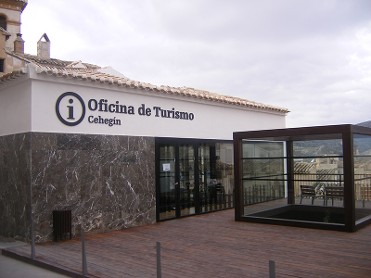
Información a nivel municipal y regional. INVIERNO Lunes a Domingo: 09:00 a 14:30 hrs. Viernes y Sábados tarde: 16:00 - 18:00 hrs. VERANO Martes a Viernes: 09:00 a 15:00 hrs. Sábados y Domingos: 09:00 - 14:00 hrs.

Festivities
Barranda (Caravaca de La Cruz)
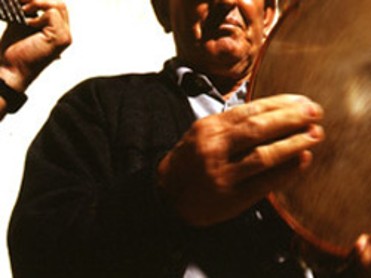
This celebration started in 1979 and its main merit is that it became a classic among the popular celebrations of the area, as it was able to gather thousands of people who came with the aim of enjoying during the whole day the popular music, turning the streets of this town into a huge popular stage where music is played, and people dance and enjoy food and wine.