



Holiday accommodation
La Manga del Mar Menor
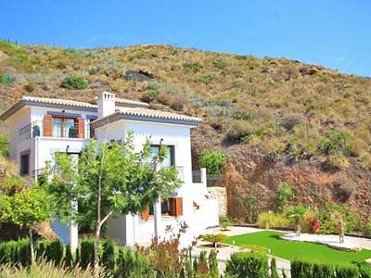
BUENA VISTA Villa de 3 dormitorios con piscina privada Esta hermosa villa cerrada Buena Vista se encuentra cerca del campo de golf Norte dentro de La Manga Club. Muy bien amueblado a un alto nivel con su propia piscina. (Calefacción de la piscina está disponible a un precio adicional). Una excelente opción de vacaciones para familias o grupos de jugadores de golf, tenis, fútbol o rugby para disfrutar de las instalaciones de este complejo de 5 estrellas. Debido a la cantidad de escaleras, esta propiedad no es adecuada para familias con niños pequeños. La villa es espaciosa y bien distribuida en tres niveles, desde donde se puede disfrutar del sol de la mañana y la tarde de un total de cuatro terrazas. Hay tres dormitorios y tres baños, además de un aseo para invitados. Entras a la Villa en la planta baja, donde hay 2 dormitorios y dos baños. Ambas habitaciones tienen camas individuales, pero en un dormitorio las camas individuales son extra anchas. También hay un aseo en este nivel. Hay una escalera que sube al nivel de la sala de estar con un salón de planta abierta y un comedor, que conducen a la espaciosa terraza. En este nivel también está la cocina totalmente equipada y bien equipada. Una escalera conduce al nivel superior donde se encuentra el gran dormitorio principal. Esto tiene una cama king size. Un cuarto de baño también está en este nivel. Desde aquí se accede a la zona de la piscina y la terraza (con tumbonas). Se puede alquilar una cama plegable para ocupación extra. Cuna y silla alta también disponible para contratar. Las estancias de un mínimo de 5 noches son posibles en las temporadas media y baja; consúltenos para obtener más información.
Tourist apartments
El Alamillo (Mazarrón)
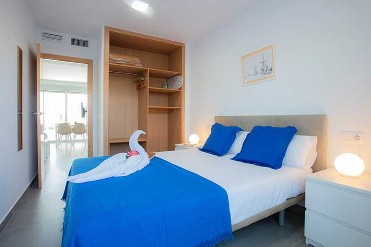
Nuestros apartamentos están situados a 3 min en coche del centro de Puerto de Mazarrón en una zona residencial tranquila a la entrada de la población. El complejo está compuesto de 12 apartamentos con vistas al mar, terrazas y solárium individuales. El equipamiento de los mismos es cómodo, moderno y funcional, pudiendo disfrutar de estancias cómodas y muy cercano a la playa. Constan de 2 dormitorios, uno con cama matrimonial de 1.50 m y otro más pequeño con 2 camas individuales de 0.90m. La capacidad máxima es de 4 personas . Disponen de Aire acondicionado, wifi gratuito, Smart tv, alarma individual con código personalizado. La cocina está totalmente equipada con vitrocerámica, lavavajillas, horno, nevera, microondas, así como pequeños electrodomésticos tales como cafetera eléctrica, tostadora y batidora de mano. El baño consta de pie de ducha, armario, secador de pelo y espejo de aumento. Existen patios exteriores en los apartamentos de planta baja con ducha, lavadora y tendedero. En los áticos este equipamiento se encuentra en el solárium. En las terrazas hay mobiliario disponible como hamacas, mesa y sillas para disfrutar de los exteriores y de las vistas . En el paseo marítimo encontrarás una amplia variedad de bares y restaurantes donde degustar la cocina tradicional de nuestra costa y los pubs de noche en la zona del puerto deportivo. Igualmente hay varios centros comerciales para compras a 3km.La zona de playas se extiende varios kilómetros a lo largo de la costa, encontrando gran variedad de calas vírgenes, zona nudista, playas de arena fina u otras más agrestes. Nuestras aguas son propicias para diversos deportes náuticos, como buceo, windsurf, vela, piragüismo, etc.


Active tourism
Cieza
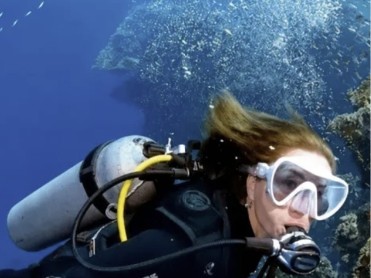
Buitreaventuras es una de las empresas líder del Turismo Activo de la Región de Murcia. Se persigue la excelencia en el servicio, tratando de transmitir nuestros valores de amor y respeto por la naturaleza a través de los deportes de aventura. Se pretende hacer vivir experiencias insuperables, haciendo llegar a las personas a lugares únicos. Hacemos disfrutar de auténticas experiencias en el turismo de aventura con nuestras actividades, lo cual supone un valor añadido para Buitreaventuras y su equipo humano, y ello podemos conseguirlo de muchas y diferentes formas debido al amplio catálogo de actividades con el que contamos. Desde el descenso de cañones, es decir el barranquismo, que te adentra en lugares que jamás pudieras imaginar que existen; el rafting o Paddle Surf (Stand Up Paddle River) en el río Segura, siendo pioneros en la Región de Murcia en esta segunda actividad; y así podríamos continuar con otras muchas cómo escalada, coasteering, senderismo, vías Ferratas, multiaventuras, etc. Nuestros signos distintivos son la calidad en el servicio, la atención personalizada, la satisfacción del cliente y su seguridad. Por y para ello el equipo humano de Buitreaventuras se encuentra formado por grandes profesionales del sector con una dilatada experiencia; además de contar con materiales técnicos de primeras marcas y calidades. El grueso de nuestras actividades es desarrollado en la Región de Murcia; pero también contamos con otras muchas en diferentes provincias del sur de España, en lugares como Granada, Jaén, Albacete y Alicante. A través de nuestras actividades tratamos que los clientes disfruten de una forma alternativa, mediante los deportes de aventura en la naturaleza. Dada la formación de nuestras guías, en el transcurso de las actividades se imparten conocimientos técnicos deportivos a los participantes. Se ponen en especial valor la cooperación y el trabajo en equipo, así como la satisfacción de las necesidades de ocio y el relax a través de actividades deportivas y de un modo de vida saludable.
Tourist offices
Bullas
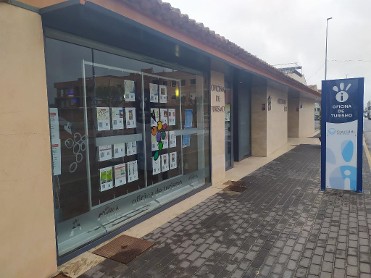
Situada en una antigua bodega de mediados del Siglo XIX, donde se ubica también el Museo del Vino.Martes a sábado de 10:30 a 14:00 h. (excepto festivos). Primer domingo de mes en el Mercadillo El Zacatín de 9:00 a 14:00 h.

Holiday accommodation
La Manga del Mar Menor
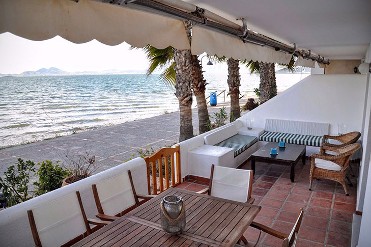
Preciosa vivienda en bajo recién reformada ubicada entre dos mares en primera línea del Mar Menor en un maravilloso entorno y urbanización de lujo. Cuenta con todas las comodidades necesarias para pasar unos días de ensueño, con amplia terraza al mar y vistas maravillosas en un remanso de paz pero a su vez con un sinfín de actividades acuáticas.
Holiday accommodation
La Manga del Mar Menor
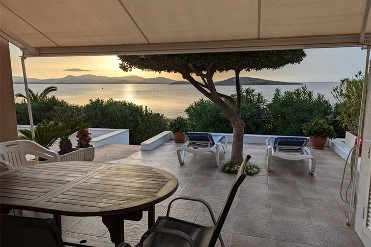
Descubre un lugar único en el mundo: un bungalow en primera línea de playa con vistas espectaculares y acceso directo a tranquilas orillas. Ubicado en un enclave privilegiado, muy cerca del mar Mediterráneo, te permite disfrutar de la belleza y el encanto de dos mares. Perfecto para unas vacaciones en familia, combina comodidad, exclusividad y un entorno natural inigualable, ofreciéndote todo lo necesario para desconectar y crear recuerdos inolvidables. ¡Tus vacaciones ideales te esperan!

Rural houses
La Torre (Cieza)
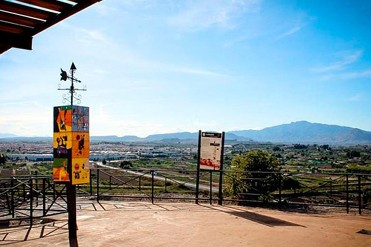
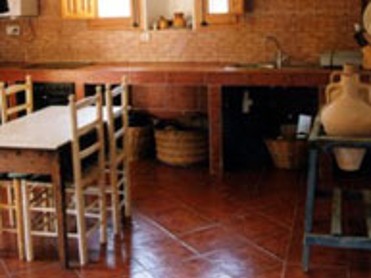
Casa antigua rehabilitada, con decoración rústica, situada en la huerta de Cieza, con vegetación de pinos y árboles frutales. Proxima al río Segura y con vistas al Pico del Almorchón.


