

Auditorios y teatros
Fuente Alamo de Murcia (Fuente Álamo)
Auditorios y teatros
Murcia
Auditorios y teatros
Murcia
Auditorios y teatros
Cabezo de Torres (Murcia)
Congress centres
Cartagena
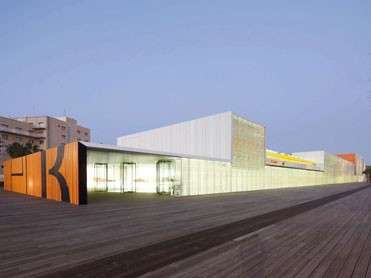
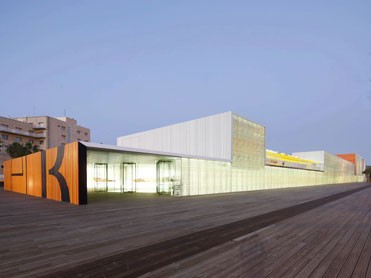
This building, designed by the architects Selgas and Cano, has a capacity for 2,800 people in its nine halls. It is located in the city's port, and can be seen from the sea. The Batel has a main hall with 1,400 seats, located 15 metres under the sea, which has natural light and is divided into three levels. The Chamber Hall or Hall B is a cosy auditorium with a capacity for 450 people. In addition, the Conference Centre has a large space divided into seven multi-purpose rooms. On the top floor of the building, there is an exhibition hall, the restaurant, a large terrace and the auditorium offices. Enjoy the Virtual Tour. Click here
Monuments
Cartagena
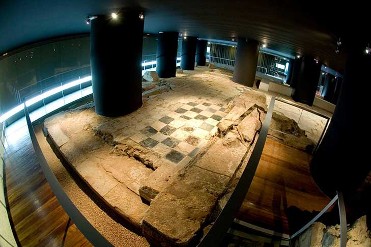
In the Augusteum, a temple dedicated to the first Roman Emperor Octavian Augustus, one is able to learn about the cult to the emperor, the theatrical pomp and the displays of great wealth and prestige devised by the priests. As a means of spreading the imperial ideology, it relied on a great decorative richness, as is evidenced by the quarried marble floors, marking the splendour of a bygone era. When close to the Forum, one can explore this meeting and market place dating from Roman times, which was an important religious, administrative, political and economic centre.

Holiday accommodation
El Escobar (Fuente Álamo)
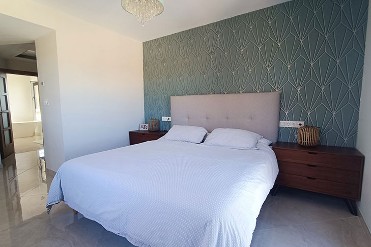
La vivienda está localizada en un entorno tranquilo y tiene vista al campo de golf. Tiene 4 habitaciones, una con baño privado y 2 otros baños compartidos entre las otras habitaciones. Hay una sala de estar abierta con mucho luz y el jardín está muy amplio con una piscina de 12 m y vistas preciosas al atardecer.

Campsites
Abarán
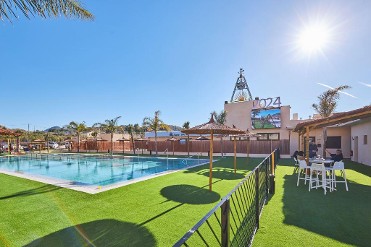
Alojamiento Rural de Lujo en el Valle de Ricote, Murcia Áureo Natura es un alojamiento rural en Abarán, Murcia, enclavado en el corazón del Valle de Ricote. Un refugio donde el lujo discreto se combina con la naturaleza para ofrecerte cabañas de madera, SPA, restaurante de cocina local y espacios de relax únicos. Desconecta del mundo y reconecta con lo esencial a tan solo unos kilómetros de Murcia capital.


